
Understanding Mixboard AI and Its Benefits
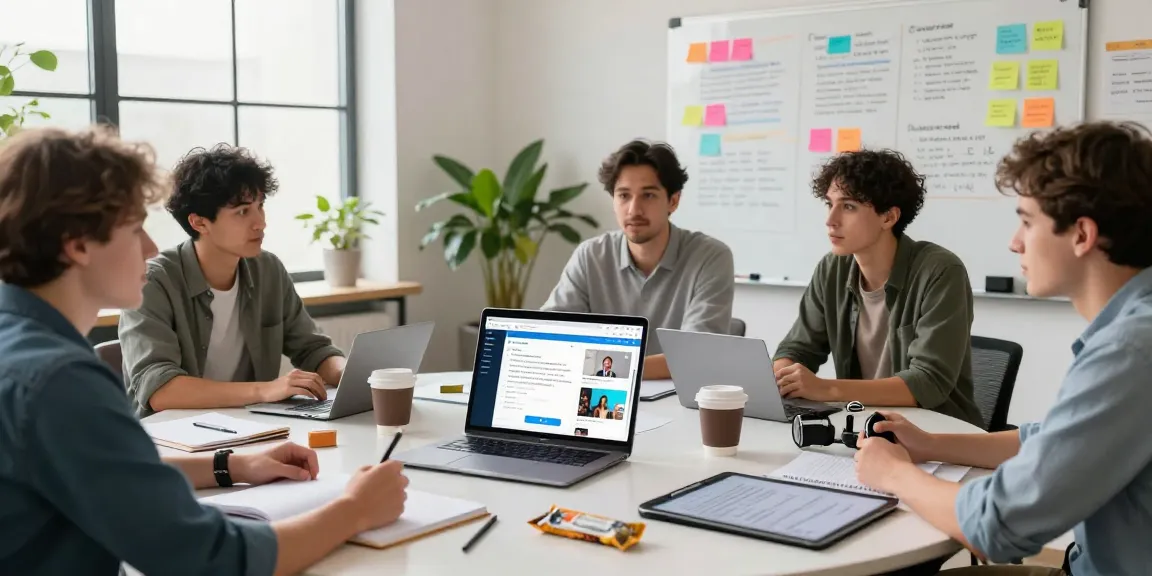
In the fast-paced world of creative collaboration, tools that streamline the ideation process are invaluable. Mixboard AI has emerged as a powerful solution for teams seeking to enhance their brainstorming and design workflows. This innovative platform offers an interactive canvas where creativity knows no bounds, allowing users to visualize and develop ideas effectively. By integrating generative AI technology, Mixboard AI caters to a variety of creative needs, from educational research to marketing campaign planning. When exploring options, mixboard ai provides comprehensive insights into how to optimize your creative projects and collaborative efforts.
What Is Mixboard AI?
Mixboard AI is an advanced digital collaboration tool that facilitates the exploration and refinement of ideas through visual mapping. It allows teams to work together in real-time, transcending geographical boundaries. The platform is designed to integrate seamlessly into existing workflows, making it suitable for designers, marketers, educators, and researchers alike. By leveraging the capabilities of artificial intelligence, Mixboard AI converts abstract thoughts into structured visuals, thus fostering a more effective brainstorming environment.
Key Features That Enhance Collaboration
One of the standout features of Mixboard AI is its infinite canvas, enabling users to layout their thoughts visually without the constraints of traditional formats. Other notable features include:
- Real-time Collaboration: Teams can brainstorm simultaneously, making adjustments and refining ideas as they go, enhancing engagement and creativity.
- Generative AI Integration: The platform can generate visual concepts based on user input, saving time and stimulating new directions for creativity.
- Visual Structuring Tools: Users can arrange complex information, making it easier to digest and present to others.
- Cross-Platform Accessibility: Available on desktops, tablets, and mobile devices, Mixboard AI ensures that teams can access their projects anytime, anywhere.
Why Use Mixboard AI in Creative Processes?
Mixboard AI is not just a tool; it’s a facilitator for creativity. By providing a platform where ideas can take shape and evolve, it removes the pressure of immediate perfection. This environment encourages exploration—an essential element in the creative process. Moreover, it helps teams organize their thoughts visually, enhancing clarity and understanding, which is crucial during collaborative activities.
Best Practices for Implementing Mixboard AI
Setting Up Your Workspace for Success
Creating an effective workspace in Mixboard AI begins with understanding your team’s needs. Tailor your canvas to facilitate the kinds of discussions and ideas you want to generate. Here are some best practices:
- Define Clear Objectives: Before starting a project, clarify what you aim to achieve. This focus will guide the collaborative efforts.
- Template Utilization: Utilize existing templates within Mixboard AI to save time and help structure your ideas effectively from the start.
- Encourage Participation: Foster an open environment where all team members feel comfortable sharing their thoughts. This diversity can lead to richer ideas and solutions.
Integrating Mixboard AI into Your Workflow
To maximize the benefits of Mixboard AI, consider how it fits within your established workflow. Integration can be made seamless by:
- Connecting with Other Tools: If your team uses project management or communication tools, look for opportunities to link these with Mixboard AI. This synergetic approach can enhance productivity.
- Regular Training: Invest time in training sessions to ensure all team members are comfortable using the platform, which can reduce hesitance and increase engagement.
- Feedback Loops: Encourage team members to provide feedback on the tool’s usage, which helps in continuous improvement and adaptation of the platform.
Strategies for Maximizing Team Engagement
Engagement is critical to the success of any collaborative tool. Here are strategies to enhance participation:
- Gamify Activities: Introduce elements of gamification to make brainstorming sessions more dynamic and enjoyable.
- Scheduled Collaboration Sessions: Set aside regular times for team brainstorming sessions. Structure these sessions to ensure they are productive and focused.
- Recognize Contributions: Acknowledge and celebrate team members who contribute innovative ideas, reinforcing positive behavior and encouraging everyone to participate.
Real-World Applications of Mixboard AI
Case Studies: Successful Creative Projects
Several organizations have successfully implemented Mixboard AI to enhance their creative output:
- Marketing Firms: A leading marketing agency used Mixboard AI to plan a multi-channel campaign. The real-time collaboration enabled them to develop concepts quickly and efficiently, leading to a 30% increase in client satisfaction.
- Educational Institutions: A university utilized Mixboard AI for research group projects, allowing students from different disciplines to collaborate, resulting in more comprehensive research outcomes.
Examples of Mixboard AI in Different Industries
Mixboard AI’s versatility allows it to be used across various sectors. Here are some examples:
- Design Industry: Designers use the platform to create moodboards and refine concepts seamlessly, enhancing creative development.
- Healthcare: Medical teams are utilizing Mixboard AI for brainstorming treatment plans, merging insights from various specialties to improve patient outcomes.
- Technology: Startups leverage Mixboard AI during product development phases to visualize user flows and iterate on concepts quickly.
Innovative Uses Beyond Traditional Design
Beyond conventional applications, Mixboard AI supports creative processes in unique ways:
- Storytelling: Writers use the platform to structure narratives visually, mapping character arcs and plot points for clarity and depth.
- Event Planning: Event coordinators can outline themes, logistics, and schedules visually, enabling them to see the entire event at a glance.
- Social Initiatives: Non-profits use Mixboard AI for campaign planning, visualizing strategies that resonate with their target audience.
Measuring Success with Mixboard AI
Key Performance Indicators for Collaborative Work
To assess the effectiveness of using Mixboard AI, it is crucial to establish key performance indicators (KPIs). Consider tracking:
- Engagement Levels: Monitor how frequently team members participate in sessions on the platform.
- Project Completion Time: Measure the time taken to move from ideation to execution and see if it decreases with the use of Mixboard AI.
- Feedback Scores: Gather feedback from team members on their satisfaction with the collaborative process.
Feedback Mechanisms and Continuous Improvement
Implementing feedback mechanisms can significantly improve the use of Mixboard AI within teams:
- Regular Surveys: Conduct surveys to collect insights from users about their experiences and areas for improvement.
- Focus Groups: Organize focus groups to discuss challenges and potential enhancements based on user experiences.
- Iteration on Templates: Regularly update templates and features offered in Mixboard AI based on user feedback to ensure relevance and usability.
Tools for Tracking Your Team’s Progress
Utilize various tools to keep track of team progress when using Mixboard AI:
- Dashboard Metrics: Create shared dashboards displaying key metrics related to project timelines and contributions.
- Progress Reports: Generate reports summarizing activities and milestones achieved during collaboration sessions.
- Milestone Tracking: Establish milestones for long-term projects and track progress against them.
The Future of Creative Collaboration with Mixboard AI
Trends Shaping the Future of Team Collaboration
As technology advances, several trends are emerging that will shape the future of creative collaboration:
- Increased Use of AI: As AI continues to improve, its role in facilitating creativity and collaboration will expand, offering even more personalized experiences for users.
- Remote Work Revolution: The rise of remote work will further emphasize the need for collaborative tools like Mixboard AI that provide seamless access and interaction capabilities.
- Integration of Virtual Reality: Innovations in VR could enhance the interactive experience of collaborative brainstorming and design, making it more immersive.
Preparing for Upcoming Features in 2026
Looking ahead to 2026, users can expect several exciting features and enhancements within Mixboard AI:
- Enhanced AI Capabilities: Future updates will likely include more advanced AI-driven suggestions for idea generation, making brainstorming sessions even more productive.
- Expanded Collaboration Tools: Anticipate features that allow for more interactive sessions, perhaps incorporating voice and video to complement the visual canvas.
- Greater Customization: Upcoming updates may offer more options for customizing the platform to better fit specific industry needs and team objectives.
Emerging Technologies to Watch Out For
As we explore the intersection of AI and creative collaboration, several emerging technologies will be worth watching:
- Advanced Natural Language Processing: Future iterations of Mixboard AI might incorporate sophisticated NLP capabilities, allowing users to input and visualize ideas through conversational language.
- Machine Learning Improvements: Expect improvements in machine learning algorithms that enhance the platform’s ability to learn from user behavior, providing tailored suggestions and features.
- Augmented Reality Integration: AR could offer additional layers of interaction, allowing users to interact with their visual canvases in new, immersive ways.
How to Adapt Mixboard AI for Ongoing Changes?
To effectively adapt Mixboard AI for ongoing changes within your organization, focus on the following strategies:
- Ongoing Training: Continually provide training resources or workshops to ensure all team members are up-to-date with the latest features and best practices.
- Flexible Framework: Maintain a flexible approach to how the tool is used, allowing teams to adapt workflows based on evolving project needs.
- Regular Assessments: Periodically assess how Mixboard AI is being utilized and make adjustments based on team feedback and project outcomes.
By leveraging the capabilities of Mixboard AI effectively, creative teams can significantly enhance their collaborative efforts and turn innovative ideas into reality.