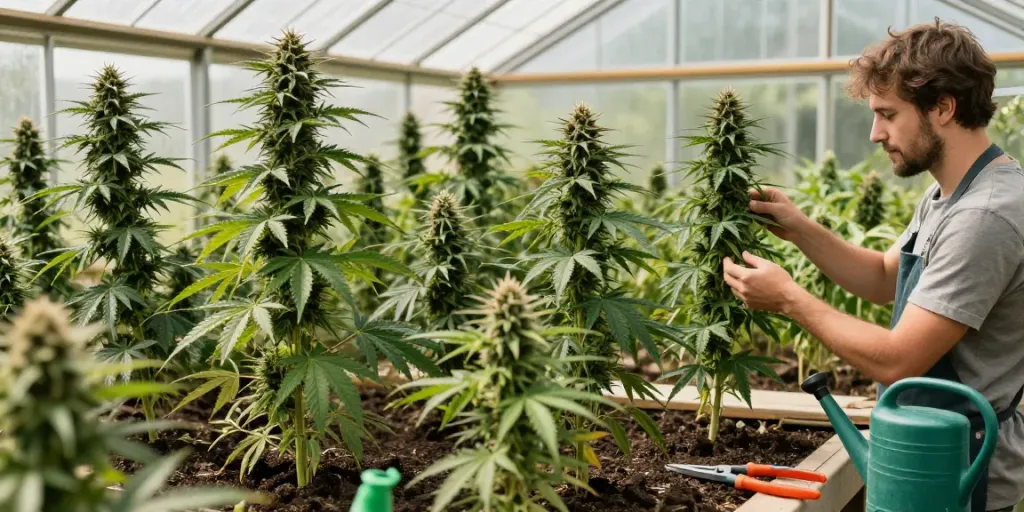
Understanding Male and Female Cannabis Seeds
When it comes to cannabis cultivation, understanding the differences between male and female cannabis seeds is crucial for successful breeding and cultivation. Regular cannabis seeds, often favored by breeders, yield a balance of both male and female plants. This characteristic makes them invaluable for those looking to propagate and stabilize new strains. Unlike feminized seeds, which are designed to produce only female plants, regular seeds contain inherent genetic diversity, allowing growers to explore a wider range of plant traits and characteristics.
What Are Regular Cannabis Seeds?
Regular cannabis seeds are the natural form of cannabis that produces both male and female plants. They are derived from crossing two parent plants, maintaining a 50/50 ratio of male to female genetic material. This diverse genetic pool is essential for breeders who wish to create new strains or stabilize existing ones. Regular seeds provide the genetic backbone for traditional cannabis breeding methods, offering robust and vigorous plants that are well-suited for a variety of climates and growing conditions.
The Role of Male and Female Plants in Breeding
In cannabis cultivation, male plants play a vital role in reproduction. They produce pollen, which is essential for fertilizing female plants. This process leads to seed production, enabling growers to create new generations of cannabis strains. The ability to identify and separate male plants is crucial for growers aiming for seedless flowers, commonly known as sinsemilla. By understanding the reproductive roles of both male and female plants, growers can effectively manage their crops to maximize yield and quality.
Characteristics of Male and Female Cannabis Seeds
- Male Seeds: These seeds typically produce plants that will develop male flowers. Male plants do not produce buds but are crucial for pollen production, necessary for creating new seed banks.
- Female Seeds: Female seeds are known for producing plants that will develop the desirable buds sought after by consumers. These plants require careful maintenance to ensure optimal growth and flowering.
- Regular Seeds: Regular seeds yield both types of plants, allowing breeders to assess plant traits and select the best candidates for breeding or cloning.
Benefits of Using Regular Seeds for Cultivation
Why Choose Regular Cannabis Seeds?
The decision to cultivate regular cannabis seeds comes with several compelling advantages. First, their genetic diversity allows breeders to create unique hybrids and select for desirable traits such as higher potency, improved flavors, or disease resistance. Additionally, regular seeds are more stable than feminized seeds, resulting in less variance within a batch. This consistency is particularly important for commercial growers who need to maintain a reliable product.
Advantages for Breeders and Pheno Hunters
Regular cannabis seeds are popular among breeders and phenotype hunters because they offer a broader gene pool. This diversity means that growers can select specific traits, such as aroma, yield, and growth rate, leading to the development of superior strains. Breeders can also use male plants to create new hybrids or to introduce robustness into preferred strains, ensuring that their genetics remain resilient against pests and environmental stresses.
Maintaining Genetic Diversity in Cannabis Cultivation
Genetic diversity is critical in cannabis cultivation for several reasons. It not only helps in the development of new strains but also ensures that plants can adapt to changing environmental conditions. By cultivating regular seeds, growers can maintain broader genetic lines, which are essential for preserving the unique characteristics of cannabis strains. This diversity can lead to better disease resistance, improved growth traits, and overall healthier plants.
Comparing Regular Seeds to Feminized and Autoflower Seeds
Key Differences Between Seed Types
Regular seeds differ significantly from feminized and autoflowering seeds. Feminized seeds are engineered to produce only female plants, eliminating the need for growers to identify and remove males. Autoflower seeds, on the other hand, are bred to automatically switch from the vegetative to the flowering stage based on age rather than light cycles. Regular seeds offer the best of both worlds, allowing growers to cultivate both sexes and utilize them for breeding.
When to Use Each Seed Type for Optimal Results
Choosing the right seed type largely depends on the grower's goals. For those focused on breeding, regular seeds are preferable due to their genetic stability and diversity. Feminized seeds are ideal for hobbyists or commercial growers who want to maximize yield without dealing with male plants. Autoflower seeds are perfect for those seeking quicker harvests or have limited space, as they can flower in as little as eight weeks regardless of light cycle.
Impact on the Growth Cycle and Yield
The choice between regular, feminized, and autoflower seeds can significantly impact growth cycles and overall yield. Regular seeds often require more time and attention as growers need to monitor plant sex and manage male plants. However, the potential for genetic exploration and stabilization makes them a worthwhile option for serious growers. Feminized seeds simplify the growing process but may lack some of the vigor that can be found in regular seed genetics. Autoflower seeds offer speed but often do not produce the same yield as their photoperiod counterparts.
Best Practices for Cultivating Regular Cannabis Seeds
Preparing the Growing Environment
Before planting regular cannabis seeds, it's crucial to prepare the growing environment. Ensure that the space has adequate lighting, temperature control, and humidity levels. Regular cannabis plants thrive in well-drained soil rich in organic matter. Utilizing high-quality soil can enhance growth and yield. Additionally, maintaining a consistent watering schedule allows plants to establish robust root systems essential for healthy growth.
Recognizing Plant Sex Early for Effective Management
Identifying the sex of cannabis plants is essential for effective management. Male and female plants develop distinct pre-flowers, typically visible four to six weeks after germination. Growers should be vigilant and remove male plants if they aim to produce seedless flowers. Correctly identifying plant sex in early stages can help maximize space, resources, and overall yield.
Tips for Successful Breeding Projects
Successful breeding projects require careful planning and execution. Start by selecting parent plants with desirable traits. Maintain detailed records of plant characteristics and breeding outcomes to refine your techniques over time. It's also beneficial to isolate breeding plants to prevent unintended cross-pollination. Finally, patience is key—breeding can take time, but the results can lead to superior strains.
Future Trends in Cannabis Seed Breeding and Genetics
Innovations in Regular Seed Development by 2026
The future of cannabis seed breeding is bright, with innovations expected to enhance regular seed development. Advances in genetic testing and markers will allow breeders to select for specific traits more effectively, streamlining the breeding process. Techniques such as CRISPR may also become more integrated into breeding programs, enabling growers to edit plant genetics more directly.
Emerging Cultivation Technologies and Their Impacts
New cultivation technologies, including precision agriculture and automated growing systems, will significantly impact how cannabis is grown. These technologies can optimize growth conditions and increase yields, making it easier for growers to produce high-quality cannabis efficiently. Regular seeds will benefit from these innovations, allowing for enhanced breeding outcomes and more vigorous plants.
Predicted Changes in Cannabis Legislation and Market Demand
As cannabis legalization continues to spread, market demand for diverse cannabis strains will rise. This shift will likely increase the popularity of regular seeds among growers looking to create unique offerings for consumers. With an expanding market, the importance of genetic preservation and responsible breeding practices will become more pronounced, ensuring that cannabis retains its rich diversity for future generations.
Frequently Asked Questions
When can I tell if my cannabis plant is male or female?
Typically, cannabis plants will show their sex around four to six weeks after germination. Pre-flowers will begin to develop at this stage, allowing growers to identify and manage male and female plants accordingly.
What is the downside to feminized seeds?
While feminized seeds simplify the growing process by ensuring only female plants, they can lack the genetic diversity available in regular seeds. This can limit breeding options and result in less robust plants in some instances.
How do I feminize my seeds?
Feminizing seeds can be achieved by various methods, such as using colloidal silver or gibberellic acid to induce male flower development on female plants, which can then pollinate other females to produce seeds that are predominantly female.
Are hermie seeds worth keeping?
Hermaphrodite (hermie) plants can produce both male and female flowers, leading them to be less desirable for growers focused on seedless flowers. However, they can be useful for breeding if managed correctly.
What are the best practices for breeding cannabis plants?
Best practices for breeding cannabis plants include selecting parent plants with desirable traits, maintaining thorough records of breeding outcomes, isolating breeding plants to prevent cross-pollination, and being patient throughout the breeding process.