Understanding the Benefits of CBD in Your Daily Life
In recent years, CBD (cannabidiol) has gained significant attention for its potential wellness benefits. As a compound derived from hemp plants, CBD offers a wide array of therapeutic applications, making it a popular choice among individuals seeking natural remedies for various health issues. From managing anxiety and promoting relaxation to supporting pain relief and improving sleep quality, the impact of CBD on daily life can be transformative. When exploring options, leafy market provides comprehensive insights into a variety of CBD products that can enhance your wellness journey.
Health Benefits of CBD for Mind and Body
Research indicates that CBD may have a variety of health benefits for both physical and mental well-being. For example, studies have shown its potential in reducing anxiety levels and helping individuals cope with stress. The compound interacts with the endocannabinoid system (ECS) in the body, which plays a crucial role in maintaining homeostasis and regulating functions such as mood, sleep, and appetite. Additionally, CBD is being explored for its anti-inflammatory properties, making it a potential ally in managing chronic pain and discomfort.
How CBD Interacts with the Endocannabinoid System
The endocannabinoid system is a complex cell-signaling system involved in regulating a range of bodily processes. It consists of endocannabinoids, receptors (CB1 and CB2), and enzymes. CBD primarily interacts with CB2 receptors, which are associated with pain, immune function, and inflammation. This interaction is believed to help in mitigating pain and reducing inflammation, as well as enhancing overall mood and emotional balance.
Natural Relief for Common Ailments Using CBD
Many individuals turn to CBD as a natural remedy for common ailments. Preliminary research suggests that CBD may help alleviate symptoms of anxiety, insomnia, and chronic pain conditions. Users often report improvements in their quality of life, highlighting the compound's ability to offer relief without the psychoactive effects typically associated with THC (tetrahydrocannabinol). As a non-intoxicating option, CBD allows individuals to experience benefits without unwanted side effects.
Exploring Different Types of CBD Products
When integrating CBD into your wellness regimen, it's essential to understand the various product types available. Each form offers unique advantages depending on personal preferences and desired effects. CBD oils and tinctures, for example, are popular for their versatility in dosage and administration methods. Edibles provide a different experience with longer onset times and novel flavor profiles, while topicals allow for localized application for targeted relief.
Vaping vs. Oils: What’s Right for You?
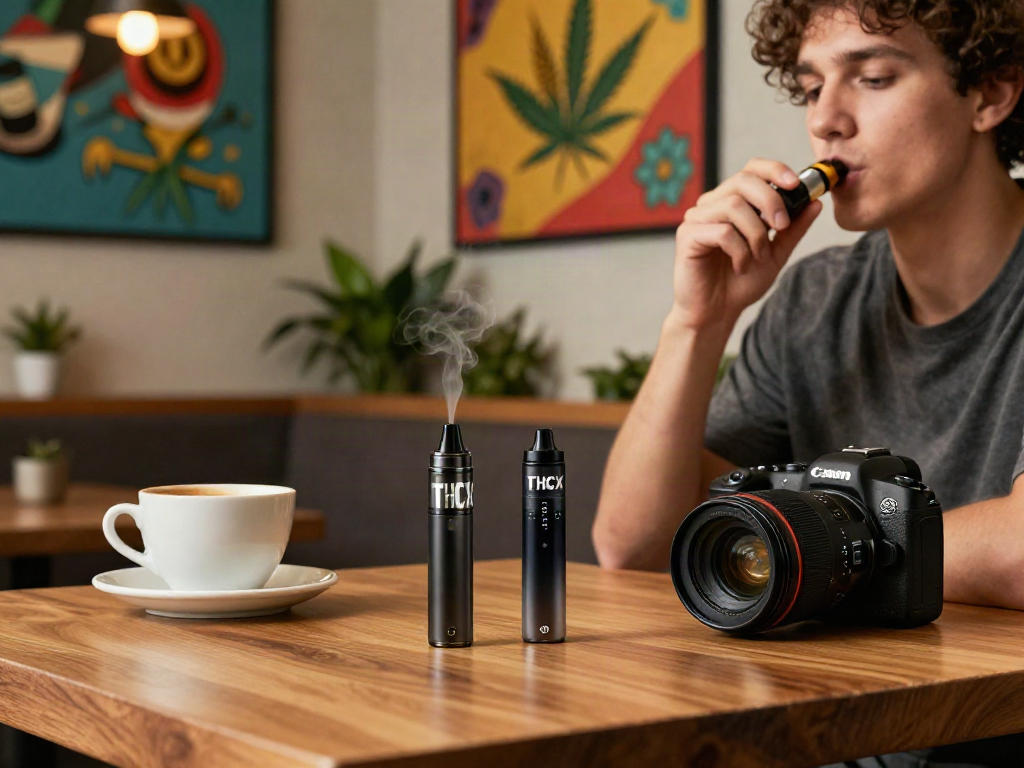
Vaping is often favored for its rapid onset of effects, as inhalation allows CBD to enter the bloodstream quickly. Users can adjust their dosing easily and enjoy a variety of flavored options. However, liquid oils and tinctures are ideal for those who prefer a traditional and longer-lasting method of consumption, especially when using sublingual administration techniques. Ultimately, the choice depends on individual lifestyle and health goals.
Understanding Edibles and Their Dosage
CBD edibles, including gummies, chocolates, and capsules, offer delicious ways to incorporate CBD into your routine. When consuming edibles, it is crucial to consider their dosage, as the effects can take longer to manifest due to the digestive process. Starting with a low dose and gradually increasing can help users find their ideal level of intake.
The Rise of CBD Topicals in Wellness
Topicals such as creams, balms, and patches are gaining popularity for their unique ability to address localized discomfort. These products deliver CBD directly to the skin, allowing for targeted relief while bypassing the bloodstream. This makes them an excellent choice for individuals seeking relief from joint pain or skin conditions without systemic effects.
Using CBD Safely: Dosage and Guidelines
When introducing CBD into your wellness routine, safety and appropriate dosing are paramount. Each individual’s response to CBD can vary significantly based on factors such as body weight, metabolism, and personal tolerance levels. As a general guideline, starting low and gradually increasing your dose can help determine the optimal amount that works for you.
How to Calculate Your CBD Dosage
Calculating your ideal CBD dosage typically involves considering your weight and the desired effects. A common recommendation is to start with 1-5 mg of CBD per 10 pounds of body weight, adjusting as needed based on individual response. Consulting with a healthcare professional is also advisable, particularly if you are taking other medications.
Methods of Taking CBD: Pros and Cons
The method chosen for taking CBD can impact its absorption and effects. Inhalation via vaping offers quick relief but may not be suitable for everyone due to respiratory considerations. Oral consumption, including oils and edibles, provides longer-lasting effects but may take time to onset. Topical applications present a targeted approach, ideal for localized issues but less effective for systemic benefits.
Recognizing Side Effects and Interactions
While CBD is generally considered safe, it can lead to mild side effects such as drowsiness, dry mouth, or gastrointestinal discomfort if taken in excess. Additionally, interactions may occur when CBD is taken alongside other medications, particularly blood thinners or anti-seizure drugs. Therefore, it is essential to consult a healthcare professional before starting any new supplement regimen, particularly if you are pregnant, breastfeeding, or have underlying health conditions.
Quality Assurance: What to Look For in CBD Products
When choosing CBD products, quality assurance is vital to ensure you are using safe and effective options. Transparency and testing are key indicators of a reputable brand and product quality. Always look for third-party lab results, which should provide a Certificate of Analysis (COA) confirming the product’s potency, purity, and lack of contaminants.
Importance of Third-Party Testing and COA
Third-party testing is integral for verifying the quality of CBD products. A COA provides insights into the cannabinoid profile, indicating how much CBD and other cannabinoids are present. It also screens for harmful substances such as pesticides, heavy metals, and solvents, ensuring that the product is free from harmful contaminants.
Identifying Reliable Brands in the CBD Market
Not all CBD brands are created equal. To identify reliable options, consider the company's reputation, sourcing methods, and farming practices. Brands that prioritize organic farming, adhere to Good Manufacturing Practices (GMP), and provide transparent information about their extraction methods are often more trustworthy.
Understanding Label Claims and Certifications
Reading product labels carefully is essential. Certifications indicating organic status, non-GMO, or cruelty-free practices can inform consumers about the quality and ethical considerations of the product. It's crucial to avoid products with vague labeling or exaggerated claims regarding benefits, as these may signal lower-quality items.
Legal Considerations and Future of CBD Legislation
The landscape of CBD legislation continually evolves, with regulations varying significantly across different regions. Understanding the legal status of CBD in your jurisdiction is crucial for compliant use. In the United States, the 2018 Farm Bill legalized hemp and hemp-derived products, but state-specific regulations still apply.
Current CBD Laws and Regulations in 2026
As of 2026, hemp-derived CBD products containing less than 0.3% THC remain legal nationally, although some states have enacted stricter regulations. These may include product labeling requirements, sales limitations, and growing conditions for hemp. Keeping abreast of local laws will help consumers navigate the market safely.
Impact of Compliance on Quality and Safety
Compliance with local and federal regulations is vital to maintaining product quality and safety. Reliable manufacturers follow strict guidelines for production, extraction, and testing, reducing the risk of contamination or mislabeling. Informed consumers should prioritize purchasing products from compliant brands that demonstrate transparency through accessible testing results.
Consumer Rights and Transparency in CBD Purchases
As the CBD market matures, consumer rights continue to gain attention. Shoppers have the right to access clear and accurate information about products, including ingredient sourcing, lab results, and safety testing. Advocating for transparency helps ensure consumers make informed decisions in their wellness journeys.
What are the differences between CBD and THC?
While both compounds are derived from the cannabis plant, CBD is non-intoxicating, meaning it does not produce the psychoactive effects associated with THC. This makes CBD a preferable option for those who wish to experience potential therapeutic benefits without feeling "high." Additionally, the legal status of CBD often differs from THC, with more lenient regulations for hemp-derived products.
How long does CBD stay in the body?
The length of time CBD stays in the body can vary based on individual factors such as dosing, frequency of use, and the method of consumption. CBD typically has a half-life of about 18-32 hours in the body, but frequent users may experience cumulative effects.
Can I overdose on CBD products?
There is currently no evidence to suggest that CBD is toxic or can lead to fatal overdose. However, consuming excessive amounts may lead to mild side effects such as drowsiness or digestive upset. It is advisable to follow recommended dosing guidelines and consult with a healthcare provider.
Are CBD products safe for children?
While CBD is often used by adults, its safety and effectiveness for children remain a topic of ongoing research. Parents should consult with a healthcare professional before giving CBD products to children, particularly since product dosages and formulations can vary widely.
What should I know about CBD and drug interactions?
CBD can interact with certain medications, particularly those processed by the liver or blood thinners. It is crucial to discuss any current medications with a healthcare provider before starting CBD to avoid unintended interactions.
Safety & Compliance
When exploring the world of CBD and vaping, safety and compliance should always be a priority. The FDA has not evaluated many CBD products, which emphasizes the need for consumers to be informed and cautious when selecting items. Remember, "These statements have not been evaluated by the Food and Drug Administration" and "This product is not intended to diagnose, treat, cure, or prevent any disease."
Consulting with a healthcare professional before using CBD products is highly recommended, particularly for those with existing health conditions or who are pregnant or breastfeeding. In addition, CBD may cause side effects ranging from mild digestive changes to drowsiness, highlighting the importance of mindful consumption.
As with any supplement, quality control and awareness of counterfeit products are critical. Purchasing from reputable brands that provide transparency in testing and sourcing helps mitigate risks associated with low-quality offerings.
Content Quality & Depth
To truly benefit from CBD products, an understanding of their quality, effectiveness, and potential impacts on wellness is essential. Providing evidence-based information empowers consumers to make informed choices when selecting CBD options. Moreover, considering individual health conditions, lifestyle preferences, and desired outcomes will help tailor a CBD regimen that works best for each person.
In conclusion, exploring CBD can open up new avenues for promoting wellness in daily life. As more research becomes available and the regulatory landscape continues to evolve, remaining informed and discerning will be key to navigating the CBD market successfully.