
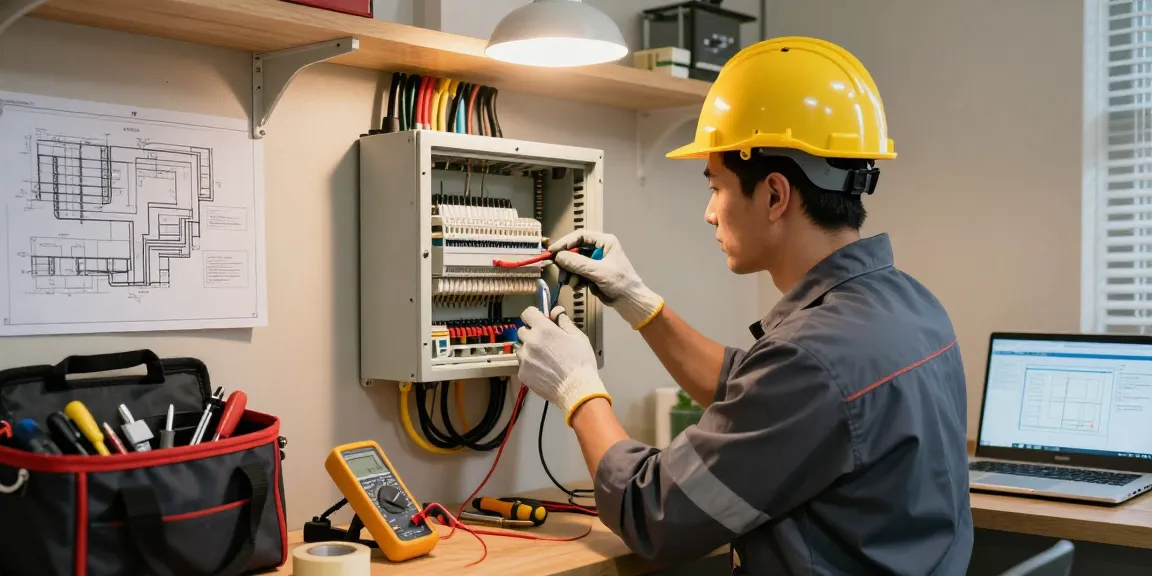
Understanding the Role of a 24 Hour Electrician
In today’s fast-paced world, electrical emergencies can happen at any time, making the role of a 24 hour electrician more crucial than ever. These professionals are available around the clock to address electrical issues that can arise unexpectedly, providing peace of mind for homeowners and businesses alike. Their expertise not only ensures safety but also minimizes damage and downtime associated with electrical failures.
What is a 24 Hour Electrician?
A 24 hour electrician specializes in providing immediate electrical support at any time of day or night. Unlike regular electricians who may only operate during standard business hours, these professionals are equipped to respond to emergency situations that require swift action. This can include power outages, electrical fires, or critical failures in electrical systems that pose safety hazards. Their training and readiness to act quickly make them invaluable during electrical crises.
Key Responsibilities and Services Offered
24 hour electricians handle a variety of tasks that are essential for maintaining safe and functional electrical systems. Their key responsibilities often include:
- Responding to emergency calls for urgent electrical repairs.
- Diagnosing and troubleshooting electrical issues quickly.
- Replacing faulty wiring, switches, and circuit breakers.
- Restoring power after outages or significant electrical failures.
- Conducting safety inspections and ensuring compliance with local electrical codes.
In addition to these emergency services, many 24 hour electricians also offer installation services for new electrical systems, upgrades to existing setups, and preventative maintenance checks to reduce the likelihood of future emergencies.
The Importance of Availability in Emergency Situations
Electrical emergencies can occur without warning, often at the most inconvenient times. Having access to a 24 hour electrician ensures that help is always just a phone call away, especially when every minute counts. Their availability can prevent small issues from escalating into larger, more costly problems, including potential safety hazards like fires. This round-the-clock service offers not just convenience, but also a necessary safety net for homes and businesses that depend heavily on electrical power.
Common Electrical Emergencies Requiring 24 Hour Services
Understanding the types of electrical emergencies that require immediate assistance can help homeowners make informed decisions. Recognizing the signs early can save lives and property.
Identifying Electrical Hazards in Your Home
Electrical hazards can take many forms. Common indicators include:
- Flickering lights or frequent bulb burnouts.
- Burning smells or scorch marks on outlets and switches.
- Tripped circuit breakers or blown fuses.
- Exposed wiring or damaged cords.
- Unable to power devices due to insufficient outlets.
Each of these signs may indicate a deeper issue that could lead to dangerous situations if not addressed by a qualified professional.
When to Call for Immediate Electrical Support
Homeowners should call for immediate assistance when they experience:
- Sudden power loss that cannot be restored by resetting breakers.
- Signs of smoke or burning odors from electrical appliances.
- Electrical shocks when touching outlets or appliances.
- Multiple circuit breakers tripping simultaneously, indicating overloading.
- Water exposure to electrical outlets or systems, which poses severe risks.
If you are unsure whether a situation qualifies as an emergency, it is always better to err on the side of caution and contact a professional.
Case Studies of Common Electrical Emergencies
Consider the following examples:
- Case Study 1: A residential home experiences flickering lights throughout the house. After multiple attempts to replace the bulbs fail, a 24 hour electrician is called. The diagnosis reveals outdated wiring that poses a fire risk.
- Case Study 2: A small business suffers a power outage due to an overloaded circuit. The owner contacts a 24 hour electrician who quickly identifies and resolves the issue, allowing the business to resume operations without prolonged downtime.
These scenarios illustrate how vital immediate response is in minimizing risks associated with electrical failures.
The Process of Hiring a Qualified 24 Hour Electrician
When it comes to hiring a 24 hour electrician, it’s essential to ensure you choose a professional who is qualified and reliable. The following steps can guide you in this process.
What to Look for in a Reliable Electrician
Start by evaluating the electrician’s qualifications, which should include:
- Proper licensing and certifications per local regulations.
- Experience in the specific area of electrical work you need.
- Insurance coverage to protect against accidents or damages.
- Positive customer reviews and testimonials.
- Availability for emergencies and response time.
Confirming these factors can help ensure peace of mind when hiring an electrician for urgent needs.
Questions to Ask Before Hiring
Before making a final decision, consider asking the following questions:
- What is your response time for emergency calls?
- Do you have experience with issues similar to mine?
- Can you provide references from past clients?
- What is your pricing structure, and do you offer free estimates?
- Are you familiar with local electrical codes and regulations?
By asking these questions, you can better understand the electrician’s capabilities and whether they are the right fit for your needs.
Understanding Licensing and Insurance Requirements
Always verify that the electrician holds the necessary licenses required by your state or region. This not only confirms their qualifications but also ensures they are compliant with safety regulations. Additionally, check that they carry liability insurance to safeguard you against potential damages resulting from their work.
Best Practices for Home Electrical Safety
Preventing electrical emergencies from occurring is just as important as knowing how to respond when they do. The following best practices can help ensure your home remains safe.
Preventative Measures to Avoid Emergencies
Implementing preventative measures can significantly reduce the risk of electrical issues:
- Regularly inspect electrical cords and outlets for damage.
- Install smoke detectors and carbon monoxide alarms throughout your home.
- Avoid overloading circuits by distributing electrical loads evenly across outlets.
- Use surge protectors for sensitive electronic equipment.
- Schedule routine inspections by a professional electrician.
Taking these steps can help mitigate risks associated with electrical hazards.
Regular Maintenance Tips for Home Electrical Systems
Routine maintenance is vital for the longevity of your electrical systems. Consider the following tips:
- Have your home’s wiring checked every few years, especially in older homes.
- Replace old or faulty circuit breakers and outlets.
- Ensure your electrical panel is adequately labeled for easy identification.
- Keep areas around outlets and switches clear of clutter and debris.
- Monitor the performance of your electrical systems and report any changes to a professional immediately.
Consistent maintenance contributes to a safer living environment and can prevent emergencies.
How to Safely Handle Minor Electrical Issues
While it’s often best to consult a professional for electrical problems, there are minor issues homeowners can address:
- Resetting tripped circuit breakers with caution and following safety guidelines.
- Replacing light bulbs with the correct wattage.
- Using electrical tape for a temporary fix on frayed cords, but replacing them as soon as possible.
- Unplugging devices that aren’t in use to prevent overloads.
- Always turning off the power at the breaker before beginning any repair work.
Treat minor issues seriously—if the problem persists, do not hesitate to call a 24 hour electrician.
Future Trends in Electrical Services by 2026
The electrical industry continues to evolve, driven by technological advancements and changing consumer needs. Here are some trends to watch for by 2026.
The Impact of Smart Home Technology on Electrical Work
As smart home technology becomes more mainstream, electricians will increasingly be called upon to install, update, and maintain these systems. This includes smart lighting, security systems, and integrated appliances that require specific wiring and expertise for proper functionality.
Emerging Tools and Technologies in the Electrical Industry
New tools and technologies are continually being developed to enhance the efficiency of electrical work. Innovations such as augmented reality for training and advanced diagnostic tools will allow electricians to provide even quicker and more accurate assessments of electrical issues.
Predictions for the Evolving Role of Electricians
The role of electricians is expected to expand beyond traditional tasks. They will need to be proficient in new technologies, including solar systems and electric vehicle (EV) charging stations. As renewable energy sources grow in popularity, specialists in these fields will become increasingly necessary.
What should I do during a power outage?
In the event of a power outage, it’s crucial to stay calm. Begin by checking if the issue is isolated to your home or affecting your neighborhood. If it’s localized, check the circuit breakers and reset them if necessary. Use flashlights instead of candles to reduce fire risk and ensure your devices are connected to surge protectors when power is restored.
How can I prevent electrical fires in my home?
To prevent electrical fires, ensure that electrical systems are up to date and comply with safety standards. Regularly inspect wiring, avoid overloading outlets, and keep flammable materials away from electrical appliances. Installing smoke detectors in high-risk areas is also a key safety measure.
What are the signs of electrical problems?
Be alert for signs such as flickering lights, strange buzzing noises from outlets, excessively hot switch plates, and frequent breaker trips. If these symptoms occur, it’s crucial to consult a qualified electrician to diagnose and resolve the issues without delay.
Are 24 hour electricians more expensive than regular electricians?
While the rates for 24 hour electricians may typically be higher due to the emergency nature of their services, the cost can be justified by the urgency and expertise they provide. Additionally, addressing issues swiftly can prevent further damage and expenses.
How do I choose between multiple electricians?
When faced with multiple options, consider factors such as experience, reviews, availability, and pricing. Getting multiple quotes can provide a clearer picture of the market rate and allow you to make an informed decision based on your unique needs.
