Understanding the Health Benefits of CBD
Cannabidiol (CBD) has garnered significant attention in recent years, and for good reason. As a non-psychoactive compound found in the cannabis plant, CBD offers potential wellness benefits without the intoxicating effects of THC. In this section, we will delve into the various therapeutic effects of CBD and its unique interactions within the human body. The growing body of research has unveiled promising insights into how CBD may aid in promoting overall wellness.
When exploring options, best weed delivery service is essential for obtaining quality products that align with personal health goals.
What are the therapeutic effects of CBD?
CBD is known for its therapeutic potential, which is being researched across various domains. Some of the most promising effects include:
- Anxiety Reduction: Several studies indicate that CBD may help alleviate anxiety and promote a sense of calm. Its interaction with serotonin receptors appears to influence mood positively.
- Anti-Inflammatory Properties: CBD may help reduce inflammation in the body, making it a potential treatment for conditions like arthritis and other inflammatory disorders.
- Pain Management: The analgesic properties of CBD suggest it can assist in managing chronic pain, potentially benefiting those suffering from conditions such as fibromyalgia or multiple sclerosis.
- Improved Sleep Quality: Many individuals report enhanced sleep quality and reduced insomnia symptoms when using CBD, offering a natural alternative to traditional sleep aids.
How does CBD interact with the endocannabinoid system?
The endocannabinoid system (ECS) plays a crucial role in maintaining homeostasis within the body. This complex system consists of endocannabinoids, receptors, and enzymes that regulate various physiological processes such as mood, appetite, and immune response. CBD interacts with the ECS primarily through
- CB1 Receptors: Found predominantly in the brain and central nervous system, these receptors modulate the psychoactive effects associated with THC.
- CB2 Receptors: Located in the peripheral nervous system and immune cells, these receptors are involved in the regulation of pain and inflammation.
By influencing these receptors, CBD may help restore balance to the ECS and support overall health.
What are common health conditions CBD may help alleviate?
Research continues to unveil the potential benefits of CBD for a variety of health conditions, including:
- Epilepsy: CBD has gained FDA approval for the treatment of certain types of epilepsy, demonstrating its efficacy in controlling seizures.
- Anxiety Disorders: Studies have shown that CBD may help reduce symptoms of social anxiety, generalized anxiety disorder, and post-traumatic stress disorder (PTSD).
- Chronic Pain: Individuals with conditions like arthritis and migraine have reported relief through CBD use.
- Sleep Disorders: CBD's purported ability to improve sleep quality has made it a favored option for individuals dealing with insomnia or other sleep issues.
Exploring Different CBD Product Types
The market is filled with a variety of CBD products, each with unique characteristics and benefits. Understanding these differences can guide consumers in making informed decisions regarding their use of CBD.
What are the various delivery methods for CBD? (oils, edibles, topicals)
CBD products come in several forms, allowing for flexibility in consumption methods:
- CBD Oils and Tinctures: These liquid extracts are taken sublingually, providing rapid absorption and potentially quick relief.
- Edibles: Available in forms such as gummies, chocolates, and beverages, edibles must be metabolized, which can result in a delayed onset of effects but longer-lasting relief.
- Topicals: Creams, balms, and patches can be applied directly to the skin for targeted relief of localized discomfort.
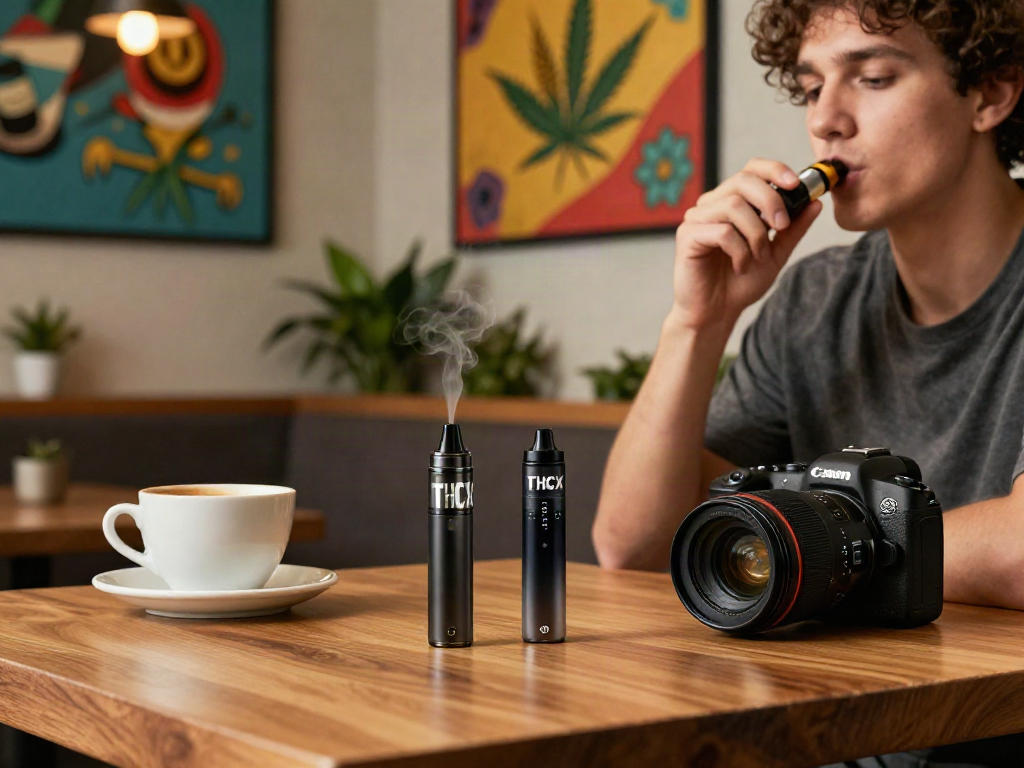
- Vape Products: Vaping offers immediate bioavailability, allowing users to feel effects rapidly. Options include vape juices and cartridges.
How to choose between full-spectrum, broad-spectrum, and isolate?
When selecting CBD products, understanding the differences between extraction types is crucial:
- Full-Spectrum: Contains all cannabinoids, terpenes, and flavonoids, including up to 0.3% THC, which can enhance effectiveness through the entourage effect.
- Broad-Spectrum: Similar to full-spectrum but THC-free, maintaining other beneficial compounds for therapeutic effects.
- Isolate: Pure CBD in crystalline form, devoid of other cannabinoids and terpenes, suitable for those looking to avoid THC entirely.
Vaping vs. traditional methods: Pros and cons
Each delivery method has its advantages and disadvantages:
- Vaping: Rapid onset of effects and high bioavailability, but potential respiratory concerns and the need for proper equipment.
- Oils and Tinctures: Easy to dose and adjust, but slower onset compared to vaping.
- Edibles: Discreet and convenient but delayed onset and variable potency.
- Topicals: Targeted relief with minimal systemic effects, yet limited to localized areas.
Dosage Guidelines for CBD Usage
Determining the appropriate dosage of CBD can be challenging due to variables such as body weight, tolerance, and individual health goals. Here, we will explore recommended dosage practices for safe and effective use.
How to find the optimal CBD dosage for individual needs?
Finding the right dosage often involves a process of trial and error. A general guideline for beginners is:
- Start with a low dose of around 5-10 mg of CBD.
- Monitor the effects over a few days, then gradually increase the dosage by 5 mg as needed until the desired effects are achieved.
Understanding how to titrate CBD effectively
Titration involves adjusting your dosage based on the effects experienced. Begin with the lowest dose and increase cautiously, maintaining a consistent schedule for at least a week before making changes. This method ensures you can gauge your body’s response accurately.
What factors influence CBD dosage recommendations?
Factors affecting CBD dosage include:
- Body Weight: Individuals with higher body weight may require larger doses to achieve effects.
- Metabolism: Metabolic rate affects how quickly CBD is processed in the body.
- Health Condition: Chronic conditions may necessitate higher doses for relief.
- Individual Tolerance: Previous experiences with cannabinoids can inform your starting point.
Quality and Safety in CBD Products
Ensuring the quality and safety of CBD products is paramount. Here we discuss aspects to look for when selecting high-quality CBD.
What to look for in third-party lab testing results?
Reputable CBD brands should provide third-party lab test results, known as Certificates of Analysis (COAs). These documents should include:
- Potency verification, ensuring you get what you pay for.
- Testing for contaminants, such as pesticides, heavy metals, and residual solvents.
- Microbial tests, confirming the absence of harmful bacteria or molds.
How to identify reputable CBD brands and products?
Look for brands that prioritize transparency, organic sourcing, and adhere to Good Manufacturing Practices (GMP). User reviews, third-party testing, and detailed product descriptions can also offer insights into product reliability.
Legal considerations: Compliance and regulations for 2026
As the CBD industry evolves, understanding the legal landscape is crucial. The 2018 Farm Bill legalized hemp-derived CBD on a federal level, provided it contains less than 0.3% THC. However, state regulations may vary, requiring consumers to stay informed about jurisdiction-specific laws and restrictions.
Frequently Asked Questions
What is the difference between CBD and THC?
CBD and THC are both cannabinoids found in cannabis. While CBD is non-psychoactive and primarily used for therapeutic benefits, THC can cause psychoactive effects, often associated with the “high” of cannabis use.
Are there potential side effects associated with CBD?
While generally considered safe, CBD may cause some side effects, including:
- Drowsiness or fatigue
- Dry mouth
- Digestive changes, such as diarrhea
It's essential to consult with a healthcare professional before using CBD, especially for individuals on other medications.
How should CBD products be stored for maximum efficacy?
To maintain potency, store CBD products in a cool, dark place away from direct sunlight and humidity. For more information, online dispensary delivery offers valuable insights. Proper storage can preserve the integrity of cannabinoids and terpenes, ensuring optimal effectiveness.