Understanding Regular Cannabis Genetics
For those passionate about cannabis cultivation, the choice between different types of seeds can define the success of their growing endeavors. Regular cannabis seeds, known for their natural male and female genetic composition, offer unique advantages and challenges. These seeds are gaining traction among serious growers and breeders who seek to harness the full potential of cannabis genetics. When exploring options, regular cannabis genetics provides comprehensive insights into the benefits and capabilities these seeds can offer, making them essential for diverse horticultural projects.
What Are Regular Cannabis Seeds?
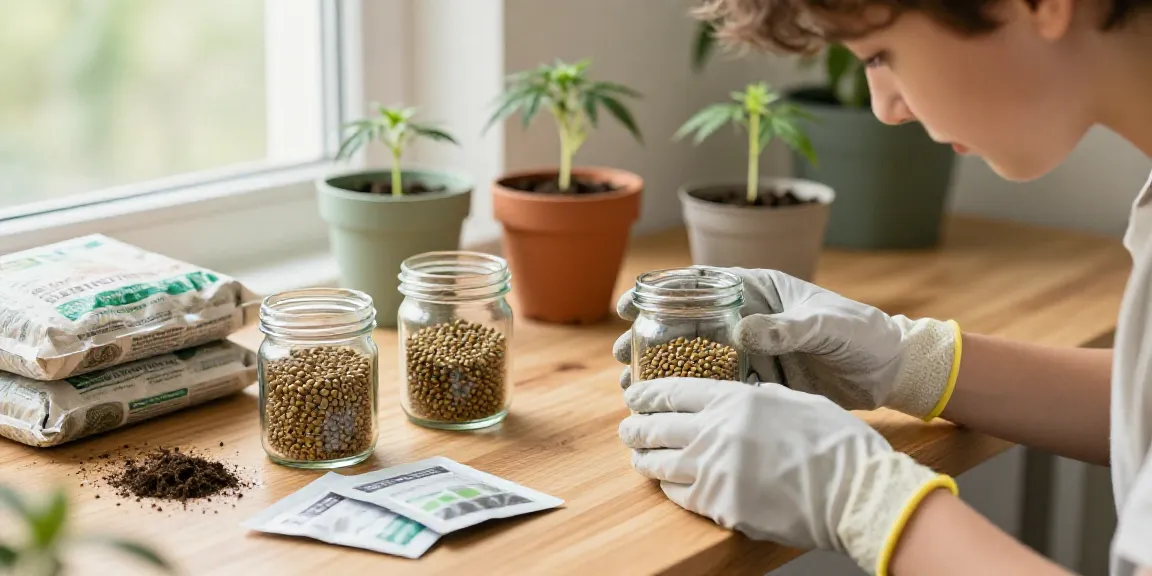
Regular cannabis seeds are the traditional type of seeds produced through natural reproduction when a male cannabis plant pollinates a female plant. This process results in a mix of male and female offspring, which is crucial for breeding projects. Unlike feminized seeds, which are specifically bred to eliminate male genetics, regular seeds maintain a balance that is important for genetic diversity and stability. Each seed carries a full genetic profile that can produce either male or female plants, depending on a variety of factors influencing plant development.
Defining Male and Female Cannabis Plants
In the cannabis lifecycle, understanding the difference between male and female plants is vital for growers. Male plants are responsible for producing pollen, which is necessary for fertilization but does not create the desirable buds that many growers seek. Female plants, on the other hand, are the ones that develop flowers, providing the resin-rich buds prized in both medicinal and recreational cannabis. The challenge for growers using regular cannabis seeds lies in the identification and management of plant sex. They must separate male plants from female ones to prevent unwanted fertilization, which can lead to seeded buds that are less commercially viable.
Importance of Genetic Diversity in Breeding
Genetic diversity plays a crucial role in breeding healthy and robust cannabis plants. Regular cannabis seeds maintain a broader genetic pool, allowing breeders to select from both male and female plants for desired traits such as potency, yield, and resilience to diseases and pests. This approach helps in developing stable, new strains that are better suited to specific growing conditions and consumer preferences. In contrast, reliance on feminized seeds may limit genetic diversity and could lead to weaknesses in particular traits over time.
The Advantages of Growing Regular Cannabis Seeds
Benefits for Breeders and Hobbyists
Regular seeds offer numerous advantages, particularly for breeders and hobbyists interested in creating unique strains. The ability to produce both male and female plants enables growers to engage in traditional breeding techniques, such as cross-pollination. This not only allows for the development of new strains with distinct properties but also aids in preserving existing cultivars, ensuring genetic stability for future generations. Additionally, regular cannabis seeds tend to exhibit greater genetic vigor and stability, which is essential in breeding projects.
Regular vs Feminised: Key Differences
The primary difference between regular and feminized cannabis seeds lies in their genetic makeup. Feminized seeds are engineered to produce only female plants, eliminating the need to identify and remove males. While this can simplify the growing process, it limits the genetic diversity available for breeding. Regular seeds, on the other hand, provide access to both sexes, allowing growers more flexibility in their breeding plans and the opportunity to create new hybrids.
Exploring Phenotype Hunting Opportunities
Phenotype hunting is the practice of searching for specific traits within a plant population. This process is particularly rewarding when using regular cannabis seeds, as the genetic variability allows growers to identify individuals that exhibit desirable characteristics, such as unique aromas, flavors, and growth patterns. By selecting the best phenotypes, growers can enhance their breeding stock and produce plants that are tailored to specific market demands or personal preferences.
Best Practices for Cultivating Regular Cannabis Seeds
Optimal Growing Conditions and Techniques
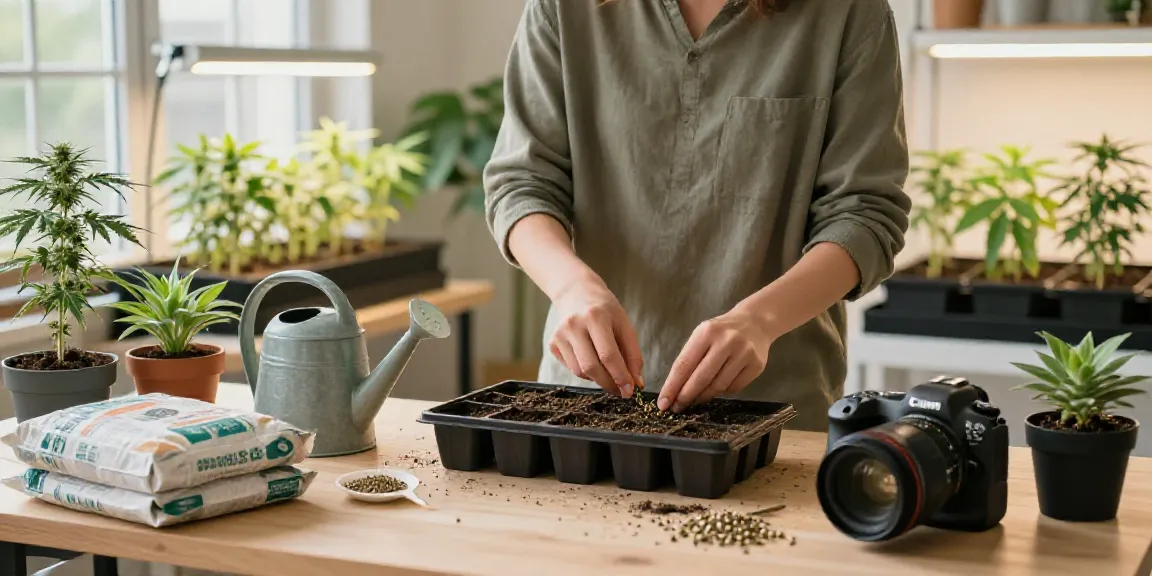
To ensure a successful growth cycle for regular cannabis seeds, optimal cultivation techniques must be implemented. Starting with high-quality soil and ensuring proper drainage will create a conducive environment for seedling development. Light conditions are also crucial; providing 18 hours of light during the vegetative state can promote healthy growth, while a 12-hour light cycle is needed to induce flowering. Regular monitoring of temperature and humidity will also aid in avoiding mold and mildew, which can devastate young plants.
Watering, Nutrients, and Light Requirements
Watering practices should be tailored to the specific needs of the plants, avoiding overwatering to prevent root rot. Nutrient selection is equally important; using a balanced mix of nitrogen, phosphorus, and potassium will support growth during different stages. As plants transition to flowering, nutrient ratios may need adjustment to favor phosphorus and potassium, which encourage bud development. The use of high-intensity discharge (HID) lights or LED systems can significantly enhance photosynthesis, thus increasing both growth rates and yields.
Identifying and Managing Plant Sex
Identifying the sex of cannabis plants is a crucial aspect of cultivating regular seeds. Growers typically wait until plants show pre-flowers, which occurs about 4-6 weeks after germination. Male plants will exhibit pollen sacs, while female plants will show white pistils. It is essential to remove male plants from the growing area to prevent unwanted pollination of females unless breeding is the goal. Regular inspections during the pre-flowering stage will help manage this process effectively.
Challenges and Misconceptions in Regular Cannabis Genetics
Common Myths About Regular Seeds
Despite their advantages, regular cannabis seeds are often misunderstood. One prevalent myth is that they are of lesser quality compared to feminized seeds. In reality, the quality and characteristics of cannabis plants depend more on their genetics than on whether the seeds are regular or feminized. Regular seeds can produce some of the most robust and potent plants, particularly when selected from high-quality breeding stock.
Pollen Management and Concerns
Pollen management can be a concern for growers using regular cannabis seeds, particularly in small-scale operations where space is limited. Proper separation of male and female plants is crucial to prevent unwanted fertilization. Techniques such as using a separate grow area for males or employing physical barriers can help manage pollen spread. Many breeders opt to collect pollen from male plants to use in controlled breeding, further mitigating concerns related to pollen management.
Dealing With Genetic Variability
Genetic variability is both a strength and a challenge when working with regular cannabis seeds. While it allows for diverse phenotypes, it can also result in unexpected growth patterns or lower yields. Growers must be prepared to plant multiple seeds and select the best performers for their breeding or cultivation goals. This process may require additional time and patience, but it ultimately leads to stronger, more resilient cannabis plants.
Future Trends in Regular Cannabis Genetics for 2026
Emerging Breeding Techniques and Innovations
As the cannabis industry continues to evolve, innovative breeding techniques are set to reshape the landscape of regular cannabis genetics. Advanced methods such as gene editing and marker-assisted selection are gaining traction, enabling breeders to enhance specific traits more efficiently. These breakthroughs will likely lead to new strains that are more resistant to pests and diseases while also improving cannabinoid and terpene profiles.
Market Trends and Consumer Preferences
The demand for cannabis products is increasing, and with it, consumer preferences are shifting. Many consumers are now interested in strains that offer unique flavor profiles and specific therapeutic benefits. Regular cannabis seeds enable breeders to explore these preferences more deeply, leading to the creation of specialized strains that cater to niche markets and health-conscious consumers.
Legal Landscape and Its Impact on Growers
The legal landscape regarding cannabis cultivation is continually changing, affecting how growers approach their operations. As more states and countries move toward legalization, breeders will have greater opportunities to establish breeding programs without the fear of legal repercussions. This shift will enable the preservation and development of regular cannabis genetics, ensuring that these vital strains are available for future generations of growers.
What are the benefits of using regular cannabis seeds?
Using regular cannabis seeds provides access to both male and female plants, allowing for traditional breeding and greater genetic diversity. This leads to improved vigor and resilience, essential for long-term cultivation success.
How do I identify the sex of cannabis plants?
Identifying the sex of cannabis plants involves observing the pre-flowers that develop about 4-6 weeks after germination. Male plants will show pollen sacs, while female plants will display white pistils.
Can regular seeds yield both male and female plants?
Yes, regular cannabis seeds can yield both male and female plants, making them ideal for breeding projects and enhancing genetic diversity within a grow.
What is the difference between regular and feminized seeds?
The key difference lies in their genetic makeup; feminized seeds are bred to produce only female plants, while regular seeds maintain a balance of both male and female genetics.
How do I ensure high-quality growth from regular cannabis seeds?
To ensure high-quality growth, provide optimal growing conditions, including appropriate light, water, and nutrients. Regular monitoring of plant health and early identification of plant sex will also contribute to success.