
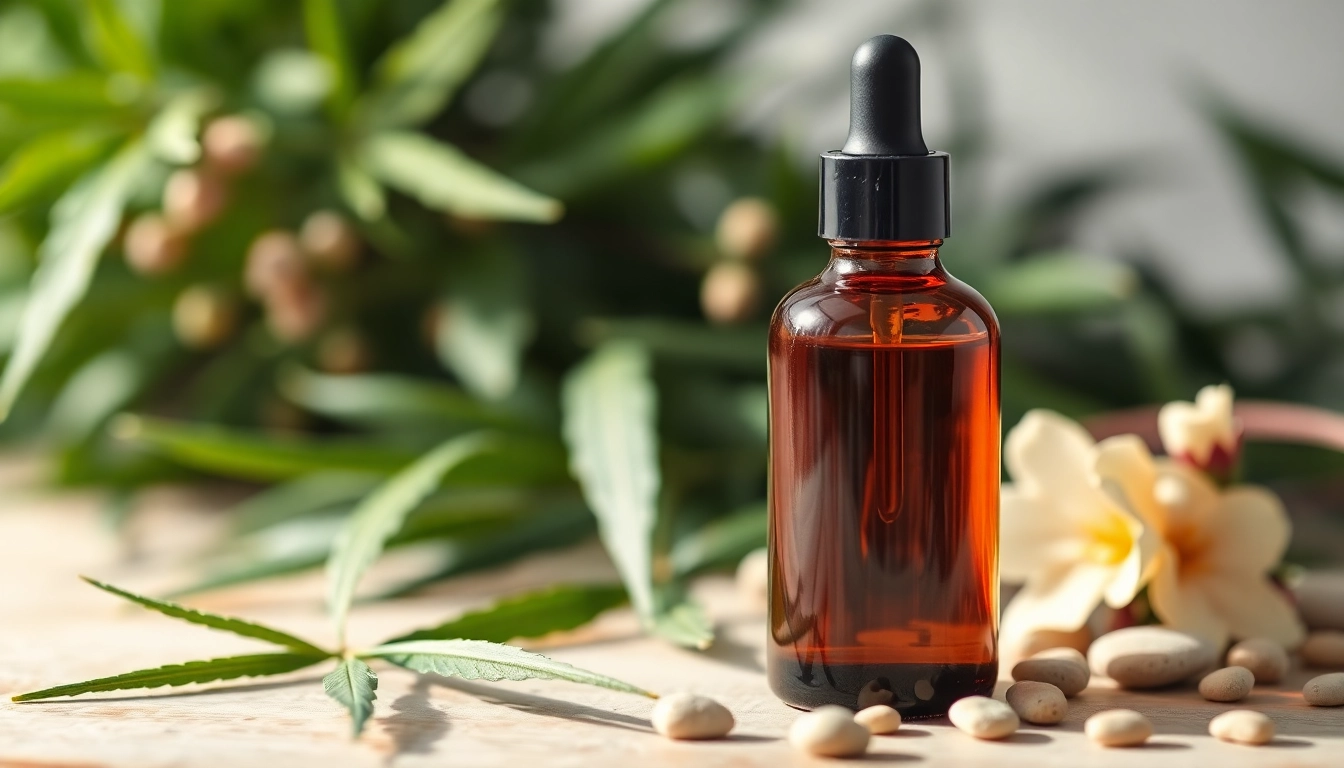
Understanding CBD Oil for Skin
What is CBD Oil?
CBD oil, or cannabidiol oil, is a natural extract derived from the hemp plant, a member of the cannabis family. Unlike its more famous counterpart, THC (tetrahydrocannabinol), CBD does not produce psychoactive effects, making it a popular choice among those seeking therapeutic benefits without the "high." In recent years, interest in CBD oil has surged, especially within skincare circles, as its potential benefits for skin health have become increasingly recognized.
As awareness around natural and holistic health approaches grows, many have turned to CBD oil for skin treatment. This trend is driven by anecdotal evidence and emerging research suggesting that CBD may offer numerous benefits for various skin conditions.
How CBD Oil is Made
The production of CBD oil begins with the cultivation of hemp plants, which are specifically bred to contain high levels of cannabidiol and low levels of THC. After harvesting, the plant material undergoes extraction to isolate the CBD. There are several extraction methods, including CO2 extraction, which is considered the gold standard due to its efficiency and purity. This method uses carbon dioxide under high pressure and low temperatures to preserve the integrity of cannabinoids and terpenes.
Once extracted, the CBD oil can be further refined and mixed with carrier oils, essential oils, or other ingredients depending on the desired end product, such as topical creams, lotions, or serums. Quality control measures are essential throughout the process to ensure that the final product is free from contaminants and meets regulatory standards for safety and efficacy.
Key Components and Properties
CBD oil is primarily composed of cannabidiol, but it also contains other beneficial compounds, such as essential fatty acids, terpenes, and vitamins. These components work synergistically to enhance the therapeutic properties of CBD.
The properties of CBD oil include anti-inflammatory, antioxidant, and analgesic effects, which make it suitable for various skin applications. It is important to note that the efficacy of CBD can depend on factors such as concentration, formulation, and method of application.
Benefits of CBD Oil for Skin
Anti-Inflammatory Properties
One of the most celebrated benefits of CBD oil in skincare is its anti-inflammatory action. Inflammation is a common underlying factor in many skin conditions, such as acne, eczema, and psoriasis. By interacting with the endocannabinoid system, CBD may help regulate inflammatory responses and promote skin healing.
Research has indicated that CBD can inhibit the production of pro-inflammatory cytokines, effectively reducing flare-ups and discomfort associated with inflammatory skin conditions. As a result, incorporating CBD oil into skincare routines may provide relief for individuals dealing with persistent inflammation and irritation.
Hydration and Moisture Retention
Another notable advantage of CBD oil is its ability to enhance skin hydration. Dehydrated skin can lead to a range of issues, including irritation, flakiness, and premature aging. CBD oil is rich in omega-3 and omega-6 fatty acids, which are essential for maintaining the skin's lipid barrier and promoting moisture retention.
By nourishing the skin and helping restore its natural moisture balance, CBD oil can improve the overall texture and appearance of the skin. This makes it an ideal ingredient for those seeking a more luminous and hydrated complexion.
Regulating Oil Production
CBD oil's influence on oil production is particularly beneficial for individuals with oily and acne-prone skin. Research suggests that CBD can help regulate sebum production, preventing the overproduction of oil that leads to clogged pores and breakouts.
By balancing oil levels, CBD can minimize the occurrence of acne while also offering anti-bacterial effects that can help alleviate the bacteria responsible for acne formation. This dual-action makes CBD oil a valuable ally in the fight against acne.
Common Skin Conditions Treated with CBD Oil
Acne and Oily Skin
Acne is one of the most prevalent skin issues, affecting individuals of all ages. The inflammation, excess oil production, and bacterial growth associated with acne make it a multifaceted condition to treat. CBD oil has shown promise in helping to manage acne through its anti-inflammatory and sebum-regulating properties mentioned earlier.
By incorporating CBD oil into topical treatments or skincare routines, users may experience a reduction in acne flare-ups and improved overall skin health. Some case studies have also suggested that patients using CBD-infused products demonstrate improved skin clarity over time.
Eczema and Psoriasis
Eczema and psoriasis are chronic skin conditions characterized by inflammation, itching, and discomfort. Current studies indicate that CBD oil may play a significant role in managing these conditions. CBD's potential to reduce inflammation and itching can provide relief for individuals suffering from eczema flare-ups and psoriasis plaques, making it a more attractive option compared to traditional treatments that may have harsh side effects.
Some individuals have reported improved skin barrier function and reduced redness when incorporating CBD oil into their skincare regimens. This opens the door to further research supporting CBD's capability to assist in managing chronic skin ailments.
Anti-Aging Effects
CBD oil's antioxidant properties make it a compelling option for anti-aging skincare. Free radicals, which arise from environmental stressors like pollution and UV exposure, can lead to premature aging by damaging skin cells. These antioxidants can neutralize free radicals and reduce oxidative stress, which may help minimize the appearance of fine lines and wrinkles.
Incorporating CBD oil as a regular part of your skincare routine could result in healthier, younger-looking skin. Its ability to enhance moisture retention also contributes to a plumper, more youthful appearance.
How to Use CBD Oil for Skin Care
Choosing the Right Product
With the growing popularity of CBD oil in skincare, it's essential to choose high-quality products. When selecting a CBD oil or skincare product containing CBD, look for broad-spectrum or full-spectrum options to maximize the benefits of cannabinoids and terpenes. Additionally, opt for organic products free from harmful chemicals and additives.
Reading labels is vital: check for third-party testing results that verify cannabinoid concentrations and safety. You want assurance that the product is potent and free from contaminants such as heavy metals or pesticides.
Application Techniques
The method of application can significantly impact the effectiveness of CBD oil for skin health. For topical treatments, gently massage a small amount onto affected areas, allowing the oil to penetrate the skin. This process can enhance absorption and provide immediate relief for conditions like inflammation or dryness.
For general skin health, incorporating CBD oil into your daily skincare routine through serums, moisturizers, or face masks can yield better overall results. Consistency is key; using CBD products regularly will maximize the benefits over time.
Integrating CBD Oil into Your Routine
To effectively integrate CBD oil into your skincare routine, consider starting with a patch test to assess your skin's reaction. If no adverse reactions occur, gradually introduce other products containing CBD. You might opt for a cleansing balm with CBD for removing impurities or a restorative face oil infused with CBD for nourishing your skin overnight.
Always include sun protection in your routine, as CBD oil does not replace the need for sunscreen. For those with specific skin conditions, consulting with a dermatologist can help tailor your routine for optimal results.
Safety and Side Effects of CBD Oil for Skin
Potential Allergic Reactions
While CBD oil is generally considered safe, some individuals may experience allergic reactions. Skin irritation, redness, or rashes can occur, especially for those with sensitive skin or allergies to cannabis. It's advisable to conduct a patch test before applying a new product extensively.
Discontinue use if any adverse reactions arise and consult a healthcare professional if necessary. Monitoring your skin's response will help you determine the most suitable products for your needs.
Consultation with Skin Care Professionals
Before incorporating CBD oil or any new product into your skincare regimen, consulting with a dermatologist or skincare specialist is often beneficial. These professionals can help assess the specific needs of your skin and advise on the most effective products and application methods.
They can also provide insight into potential interactions with existing treatments or conditions, ensuring a safe and effective approach to skincare.
Long-Term Use Considerations
While CBD oil offers numerous benefits, long-term use should be approached with caution. The effects of extended use are still being researched, and it's essential to monitor your skin's response over time. Adjustments may be necessary based on changing skin conditions or responses.
Additionally, keep abreast of emerging studies regarding CBD's effects on skin health to remain informed about the latest recommendations and practices. Regular evaluations can help optimize your skincare routine and enhance the benefits you receive from using CBD oil.