
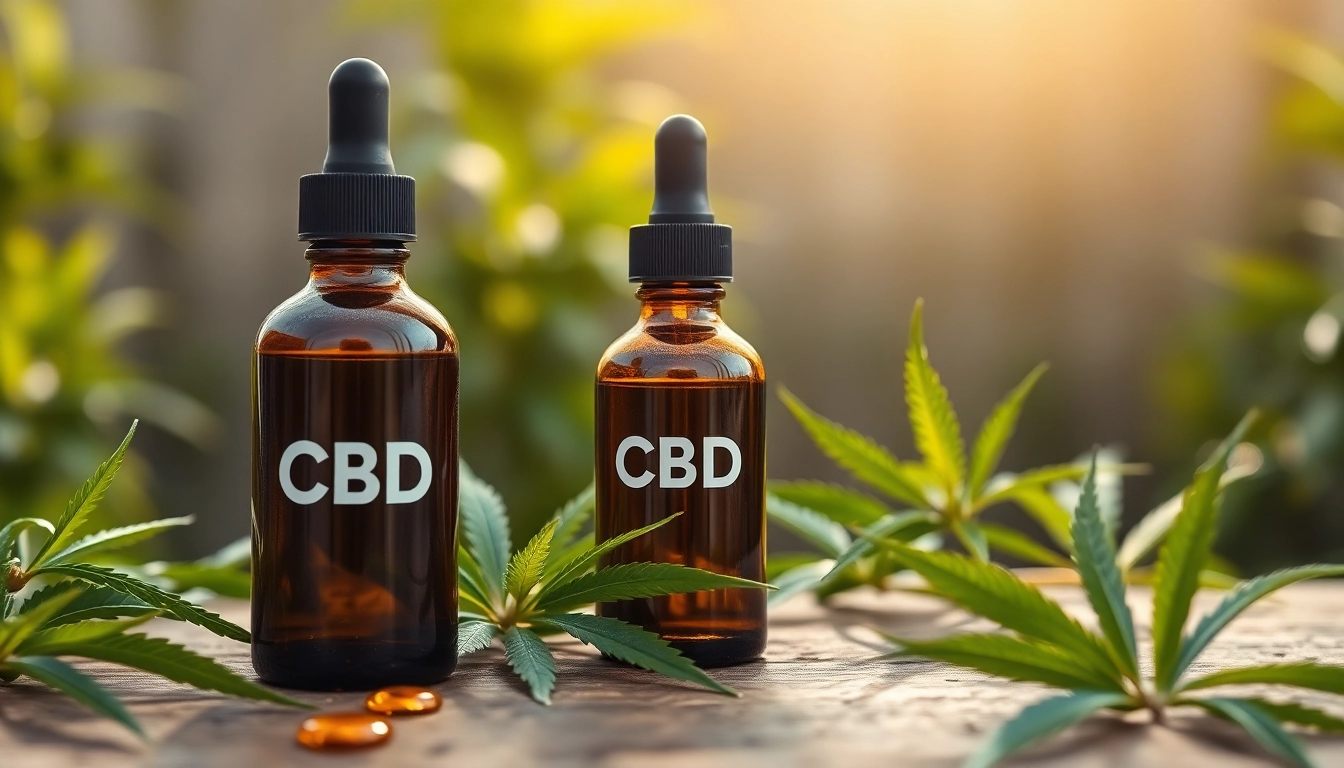
Understanding CBD Oil and Its Origins
Cannabidiol, commonly known as CBD, has gained significant attention in the wellness community for its potential benefits. As a non-psychoactive compound found in cannabis, CBD Oil is derived from both hemp and marijuana plants, offering a natural remedy for various health concerns. The increasing popularity of CBD Oil has led to numerous studies and discussions regarding its effectiveness, legality, and methods of consumption. This guide aims to delve into the depths of CBD Oil, providing insights into its origins, potential health benefits, effective usage, possible side effects, and future research directions. For comprehensive information and products, you can explore CBD Oil.
What is CBD Oil?
CBD Oil is an oil that contains high concentrations of cannabidiol, which is one of the many compounds found in cannabis plants. Unlike THC (tetrahydrocannabinol), the psychoactive component responsible for the “high” sensation, CBD does not produce such effects. Instead, CBD Oil is lauded for its therapeutic properties, including anti-inflammatory and anti-anxiety effects. The extraction of CBD Oil generally involves several methods, including CO2 extraction, oil extraction, and ethanol extraction, each resulting in different purity levels and potential applications.
Sources of CBD Oil: Hemp vs. Cannabis
CBD Oil can be sourced from both hemp and cannabis plants. Although both are varieties of the Cannabis sativa species, they have fundamental differences. Hemp contains minimal THC (0.3% or less), making it the preferred source for CBD Oil, especially in regions where cannabis remains illegal. On the other hand, cannabis plants may contain higher THC levels, which can lead to psychoactive effects. The choice between hemp-derived CBD Oil and cannabis-derived CBD Oil often revolves around legal restrictions and personal preferences.
Legal Status and Regulations of CBD Oil
The legal status of CBD Oil varies across different states and countries. In the United States, the 2018 Farm Bill legalized hemp-derived CBD with less than 0.3% THC on a federal level, prompting a surge of products flooding the market. However, individual states have the right to impose their own regulations, which may affect production, sales, and usage. Consumers must be informed about their local laws regarding CBD and ensure they purchase products from reputable sources to avoid legal complications.
Health Benefits Associated with CBD Oil
Research into the health benefits of CBD Oil has been expanding rapidly. While more studies are required to fully understand its efficacy, preliminary evidence suggests that CBD Oil may offer a range of benefits.
Relief from Chronic Pain and Inflammation
Chronic pain affects millions of individuals worldwide, often leading to diminished quality of life. CBD Oil’s interaction with the endocannabinoid system suggests it may help alleviate pain and inflammation by altering the perception of pain signals sent to the brain. Clinical studies have indicated that CBD Oil could be an effective treatment for conditions such as arthritis and multiple sclerosis. The anti-inflammatory properties of CBD Oil may also aid in recovery from sports-related injuries or surgery, making it a favorable option for athletes and active individuals.
Reducing Anxiety and Enhancing Relaxation
Anxiety disorders are among the most common mental illnesses, affecting millions globally. CBD Oil has shown promise in reducing anxiety through its calming effects on the nervous system. Research indicates that CBD can interact with receptors in the brain that regulate mood and emotional responses. Users often report feelings of tranquility and relaxation after using CBD Oil, leading to its growing use among individuals seeking alternative treatments for anxiety, depression, and stress-related disorders.
Potential Neuroprotective Properties of CBD Oil
Emerging studies have highlighted the neuroprotective properties of CBD Oil, suggesting it may be beneficial for individuals with neurodegenerative diseases such as Alzheimer's and Parkinson’s. By reducing oxidative stress and inflammation in the brain, CBD may help protect neurons from damage. While research is still in early stages, the potential of CBD Oil as a neuroprotective agent is gaining traction, spurring further investigation into its effects on cognitive health.
How to Use CBD Oil Effectively
The effectiveness of CBD Oil depends significantly on how it is used. This section discusses various methods and dosage recommendations to help users maximize their experience.
Dosage Recommendations for CBD Oil
Determining the right dosage of CBD Oil can be challenging, as individual responses can vary significantly. Factors influencing the effective dosage include body weight, metabolism, the severity of the condition being treated, and the concentration of the oil. Beginners are often advised to start with a low dose (typically around 5-10 mg) and gradually increase it until they achieve the desired effects. Consulting with a healthcare professional knowledgeable about CBD can provide personalized guidance for optimal dosing.
Methods of Consumption: Tinctures, Capsules, and More
CBD Oil can be consumed in various forms. Common consumption methods include:
- Tinctures: Concentrated CBD Oil solutions taken sublingually for rapid absorption.
- Capsules: Pre-measured doses that are easy to take but may take longer to show effects.
- Topicals: Creams and balms infused with CBD for localized relief of pain and inflammation.
- Edibles: CBD-infused foods and snacks, providing a tasty option for consumption.
Choosing the right method of consumption can depend on personal preferences and the intended effects.
Mixing CBD Oil with Other Products
Some users may opt to mix CBD Oil with other products to enhance its effects. For instance, combining CBD Oil with essential oils in a topical application can create synergistic benefits for skin health. Additionally, incorporating CBD Oil into smoothies or wellness drinks can simplify daily consumption while allowing users to enjoy the flavor. However, it is essential to consider the potency of CBD and how mixing it with other materials may alter effects.
Possible Side Effects of CBD Oil
While CBD Oil is generally considered safe, it may cause side effects in some individuals. Awareness of these potential side effects is crucial for responsible usage.
Understanding Common Side Effects
Common side effects of CBD Oil can include drowsiness, dry mouth, and changes in appetite. These effects can be mild and often diminish as the body acclimatizes to CBD. Users are encouraged to monitor their reactions, especially when trying CBD for the first time, to determine how their body responds.
Interactions with Other Medications
CBD Oil can interact with various medications, potentially altering their effectiveness. For example, CBD may inhibit certain enzymes responsible for metabolizing drugs in the liver, which could lead to increased drug concentrations in the body. It is crucial to consult a healthcare professional before starting CBD Oil, particularly if one is taking prescription medications.
When to Avoid Using CBD Oil
While CBD Oil can be beneficial, it may not be suitable for everyone. Individuals with certain medical conditions or those who are pregnant or breastfeeding should avoid using CBD without medical advice. Moreover, users with a history of liver problems or those undergoing treatment for specific illnesses should exercise caution and seek professional opinion before incorporating CBD Oil into their regimen.
Future Research Directions on CBD Oil
The evolving landscape of CBD research reveals exciting possibilities for its applications in healthcare. As studies continue to grow, so too does the potential for new discoveries.
Emerging Studies on CBD Oil Efficacy
Research on CBD Oil has progressed rapidly, focusing on its therapeutic benefits for a variety of conditions, including epilepsy, anxiety disorders, and chronic pain. Future studies aim to explore its effects on conditions such as cancer-related symptoms, metabolic disorders, and its role in addiction recovery. As methodologies become more sophisticated, findings will provide deeper insights into how CBD Oil can be effectively utilized in clinical settings.
Expanding Applications in Healthcare
The future of CBD Oil holds promise for its integration into mainstream healthcare practices. Medical professionals are increasingly recognizing its potential benefits, which may lead to broader acceptance within the medical community. As regulations evolve and research substantiates its efficacy, CBD Oil may be recommended as a complementary treatment in pain management, mental health, and beyond.
Consumer Trends and Market Growth for CBD Oil
The market for CBD Oil is poised for significant growth as consumer awareness and demand continue to rise. Trends indicate a shift toward natural remedies, with more individuals seeking holistic approaches to health. This growth will likely drive innovation within the industry, resulting in new products and formulations that cater to diverse consumer needs. As such, the future of CBD Oil not only involves medical applications but also lifestyle enhancements.