
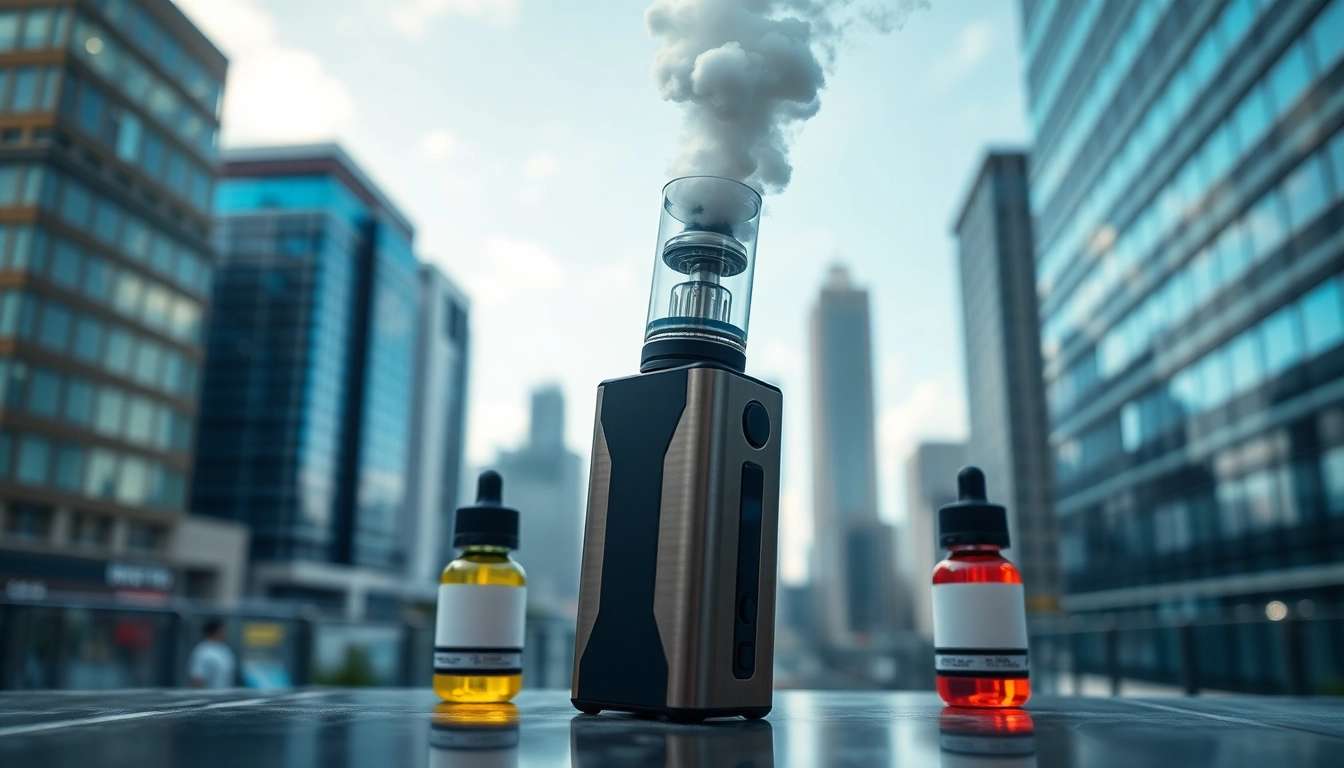
Understanding Vape & E-Liquids
What Are Vape & E-Liquids?
At their core, Vape & E-Liquids are liquid solutions designed to be vaporized through electronic devices, commonly known as vaporizers or vape pens. While traditional tobacco smoking involves combustion, vaping allows for inhalation of vapor created by heating the e-liquid instead. This key difference not only helps in reducing harmful byproducts associated with burning tobacco but also offers a customizable experience for users seeking a variety of flavors and nicotine levels.
Typically, vape liquids consist of four primary components: propylene glycol (PG), vegetable glycerin (VG), flavoring agents, and nicotine. Each of these ingredients plays a crucial role in the overall vaping experience. PG is known for producing a throat hit similar to smoking, whereas VG contributes to the vapor production and offers a sweeter taste. Flavoring agents turn an otherwise bland mixture into a delightful experience, with countless options available to suit personal preferences. Lastly, nicotine provides the satisfying impact many users desire, with varying strengths available depending on individual needs.
Key Ingredients in Vape & E-Liquids
The ingredients in vape juices can vary significantly based on brands and formulations. However, the primary components remain consistent. Let’s take a closer look:
- Propylene Glycol (PG): A synthetic substance that acts as a base for many e-liquids, PG is known for its thinner viscosity, which allows for better absorption of flavors. It is often used in food products and is recognized as safe by various health authorities.
- Vegetable Glycerin (VG): A natural byproduct of vegetable oils, VG is thicker than PG and contributes to the production of denser vapor. Users often enjoy a smoother experience with VG-rich e-liquids.
- Flavorings: These can be natural or artificial and encompass a vast array of tastes, from fruity and dessert-inspired to savory options. The art of flavoring e-liquids is a primary factor that attracts users, with innovations continually emerging in flavor profiles.
- Nicotine: Available in various strengths, nicotine content can be tailored to the user's preference, allowing for a gradual decrease in intake for those looking to quit smoking altogether.
How Vape & E-Liquids Work in Devices
Understanding how vape and e-liquids interact with devices is fundamental for both new and seasoned users. When e-liquid is loaded into a vape device, an atomizer heats the wick, which absorbs the e-liquid. When heated, the liquid turns into vapor, which is then inhaled through the mouthpiece. The efficiency and quality of vapor production can vary significantly between different devices and setups.
Some devices allow customization of temperature and wattage settings, enabling users to manipulate the vaping experience further. Higher temperatures can produce more vapor and intensify flavor, though they may also lead to unwanted throat irritation for some. Understanding the balance between temperature, wattage, and e-liquid composition is key to optimizing the vaping experience.
Choosing the Right Vape & E-Liquids for You
Assessing Flavor Profiles and Preferences
One of the significant appeals of vaping is the myriad of flavors available. From luscious fruits to savory dessert flavors, users can experiment with various profiles to find their ideal match. It is recommended to start with smaller sample sizes or variety packs to discover personal preferences without committing to larger bottles that may not be enjoyed.
Users should consider the intensity of flavors they prefer. Some enjoy strong, overpowering flavors, while others might prefer subtle, mild ones. Moreover, many brands experiment with blending different flavors to create unique combinations that appeal to a broader audience. No matter the choice, the vast array of available flavors ensures that there’s something for everyone.
Nicotine Strength Considerations
Another critical aspect of selecting vape and e-liquids is the nicotine strength. For those transitioning from traditional cigarettes to vaping, starting with a nicotine level similar to their smoking habits may be advisable. However, it is crucial to gradually taper this intake if the goal is to minimize dependence.
Common nicotine strengths include options such as 0mg, 3mg, 6mg, 12mg, and higher. It’s crucial for users to monitor their consumption and be mindful of how nicotine levels impact their overall experience. Some individuals may find higher concentrations to be harsh, while others may need a stronger mix to curb cravings effectively.
Cultural and Lifestyle Influences on Choices
Cultural factors can significantly influence vaping choices and preferences. Many users incorporate vaping into their social environments, where flavors and device styles can reflect individual personalities or lifestyles. It is not uncommon for particular demographic segments to gravitate toward specific flavors or device types, often driven by a collective consensus on trendy choices.
Lifestyle influences, including personal values and attitudes toward health, also shape how individuals approach vaping. Understanding these dimensions can help businesses design marketing strategies that resonate with their target audience while guiding consumers toward choices that align with their lifestyle and preferences.
The Production Process of Quality Vape & E-Liquids
Manufacturing Techniques and Standards
The production of vape and e-liquids involves stringent manufacturing techniques and adherence to quality standards. Reputable manufacturers often engage in practices that align with regulatory expectations and industry guidelines, ensuring that their products meet safety and quality benchmarks.
GMP (Good Manufacturing Practices) is one standard commonly adopted across the industry. This quality assurance system ensures that products are consistently produced and controlled according to quality standards, mitigating risks involved in production. Additionally, manufacturers utilize high-quality ingredients sourced from reputable suppliers to ensure the purity of their products.
Understanding Flavors and Additives
Flavorings and additives are crucial elements of vape and e-liquids that contribute to their popularity. It’s essential for consumers to understand how flavorings are selected and used, impacting not only the taste but also the potential health implications. Various natural and artificial flavors can be utilized, and some users may prefer organic options that avoid synthetic substances.
Quality assurance in flavoring involves testing and validation processes ensuring that the compounds used are safe for inhalation. The industry continues to evolve in this domain, developing innovative flavors that refine the vaping experience further.
Lab Testing and Quality Assurance
Lab testing is a critical step in the production process of e-liquids. Rigorous quality control protocols are implemented to test for harmful compounds, ensuring that the final product is safe for consumers. Various laboratories specialize in testing e-liquids for parameters such as purity, potency, and the presence of contaminants.
Many manufacturers will publish lab results transparently, giving consumers peace of mind about quality. Users should consider sourcing vape and e-liquids from brands that prioritize lab testing and quality disclosure to guarantee a safe vaping experience.
Best Practices for Storing and Using Vape & E-Liquids
Optimal Storage Conditions
To ensure the longevity and quality of vape and e-liquids, proper storage conditions are essential. E-liquids should be kept in a cool, dark place, away from direct sunlight and extreme temperatures. Exposure to light and heat can accelerate the breakdown of flavorings and nicotine, potentially altering the taste and effectiveness of the vape juice.
Additionally, e-liquids must be stored in upright positions to prevent leakage, ensuring that they remain uncontaminated. It’s also advisable to keep e-liquids out of reach of children and pets, safeguarding their use and handling.
How to Avoid E-Liquid Degradation
E-liquid degradation can lead to off-flavors and diminished quality. To avoid this, users should adhere to a few simple guidelines:
- Check expiration dates and use older products first.
- Avoid mixing different e-liquids without thoroughly cleaning the device.
- Ensure that the seals on bottles are intact to prevent contamination.
By following these practices, users can maintain the integrity of their vape and e-liquids, ensuring a consistently enjoyable experience.
Methods for Proper Usage and Maintenance
Proper usage and maintenance of vaping devices can significantly enhance the overall experience. Users should routinely clean their devices, replacing coils and wicks as needed to avoid burnt tastes or performance issues. Regular maintenance not only extends the life of vaping equipment but also ensures a clean and flavorful vapor with each use.
Moreover, understanding how to adjust device settings optimally based on the e-liquid can lead to improved flavor and vapor production. For instance, users may need to adjust wattage or temperature settings based on the thickness of the e-liquid, optimizing vapor consistency and flavor retention.
Emerging Trends in the Vape & E-Liquids Market
The Rise of Natural and Organic Options
As consumers become increasingly health-conscious, there is a growing demand for natural and organic vape and e-liquids. This trend reflects a broader shift in consumer preferences toward products that emphasize quality sourcing and ingredient integrity. Many brands are responding by offering organic options that utilize naturally derived ingredients in their formulations.
Furthermore, transparency in sourcing and manufacturing practices fosters trust among consumers, opening doors for companies that align with these values. As environmental awareness continues to rise, vape manufacturers who prioritize sustainable practices may gain a competitive edge in the fast-growing market.
Technological Innovations in Vape Devices
The vape industry is characterized by rapid technological advancements, leading to smarter and more efficient devices. Innovations such as temperature control, Bluetooth connectivity, and enhanced battery technologies are creating a more personalized vaping experience.
As technology progresses, new features like smart sensors that monitor usage patterns and adjust settings accordingly may become standard. Such innovations are likely to appeal to tech-savvy users seeking an enhanced vaping experience tailored to their preferences.
Regulatory Changes Impacting the Industry
The landscape of vaping is influenced heavily by regulatory changes, which can vary significantly across regions. As governments continue to assess the implications of vaping, manufacturers and consumers must stay informed of shifts in regulations that may affect product availability, advertising practices, and labeling requirements.
Many countries are introducing stringent regulations aimed at ensuring product safety and consumer protection. Staying compliant with these regulations is vital for manufacturers while providing consumers with confidence in the products they choose to use.