
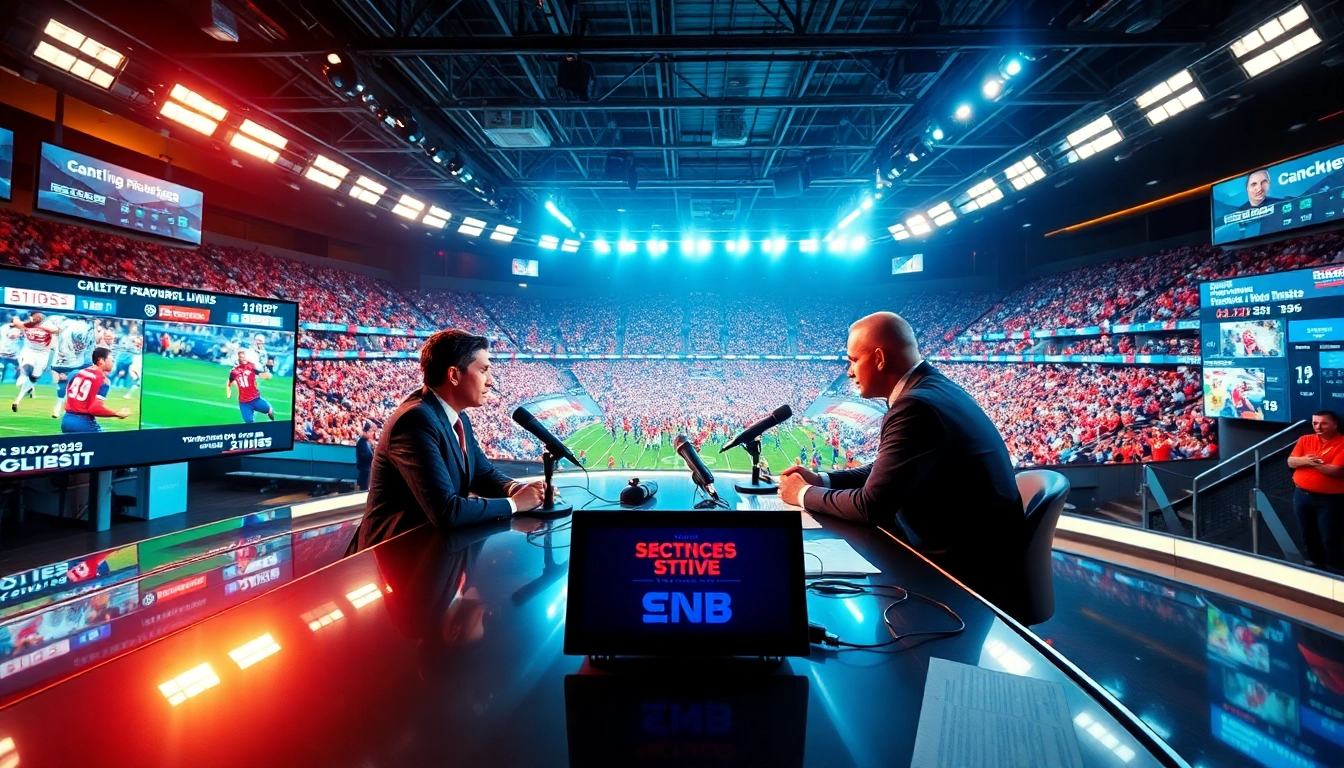
Understanding the Landscape of Sports Broadcasting
Defining Sports Broadcasting in Today's Media
Sports Broadcasting refers to the dissemination of sports-related content through various media platforms, including television, radio, and digital formats. In our increasingly connected world, the landscape of Sports Broadcasting has expanded beyond traditional mediums, incorporating streaming services, social media, and mobile applications. It's more than just airing games; it's about creating an experience for viewers that keeps them engaged and invested in the sports they love. The integration of Sports Broadcasting into everyday life reflects society's passion for sports and fuels demand for innovative presentation methods.
The Evolution of Sports Broadcasting Technologies
The evolution of Sports Broadcasting technologies is a fascinating journey marked by groundbreaking advancements. From the first radio broadcasts in the early 20th century to today’s high-definition streaming services, technology has transformed how fans consume sports. The transition from black-and-white to color broadcasts in the 1960s brought games to life, while satellite technology expanded reach. The introduction of the internet has revolutionized Sports Broadcasting, allowing for real-time updates and on-demand access via apps and websites. Virtual and augmented reality are now on the horizon, promising an immersive experience that redefines how games are watched and experienced.
Key Players in Sports Broadcasting Market
The Sports Broadcasting market is populated by a diverse range of players that include established television networks, emerging digital platforms, and independent broadcasters. Major networks have long held the lion's share of rights, but the rise of OTT (over-the-top) platforms shows a shift in how audiences prefer to consume content. Companies like social media platforms also play an integral role by providing clips, highlights, and even live-streaming opportunities. This diversification means that understanding the competitive landscape is crucial for anyone looking to succeed in Sports Broadcasting.
Essential Components of Sports Broadcasting
Production Elements that Enhance Viewer Experience
The viewer's experience in Sports Broadcasting relies heavily on the production elements used. Multi-camera setups provide different angles that give viewers a comprehensive view of the game. Graphics and statistics enrich the viewing experience, making it more informative. High-definition audio and visual quality are essential, as they provide an immersive environment. Implementing innovative production techniques, such as drone cameras for aerial views and augmented reality for stats, can significantly elevate the broadcast quality and viewer satisfaction.
Role of Commentary and Analysis in Sports Broadcasting
Commentary and analysis are vital aspects of Sports Broadcasting that can enhance the viewer's experience. Skilled commentators not only provide play-by-play descriptions but also engage with the audience by sharing insights, interpretations, and background stories about players and teams. Analysts add depth to broadcasts by breaking down plays and strategies, which can help viewers understand the intricacies of the game. The best commentary combines knowledge, enthusiasm, and clarity, ensuring that fans of all levels of understanding can follow the action.
Understanding Audience Engagement Metrics
Measuring audience engagement is crucial in today’s Sports Broadcasting landscape. Metrics such as viewer ratings, social media interactions, and live audience participation provide valuable insights into what resonates with fans. Analyzing these data points helps broadcasters tweak their strategies and enhance future broadcasts. Understanding how different demographics engage with content allows for more targeted and effective sports programming that aligns with viewer preferences.
Challenges Faced in Sports Broadcasting
Navigating Licensing and Rights Management
Licensing and rights management represent significant challenges in Sports Broadcasting. Securing the rights to broadcast games can be an intricate process with high costs and complex negotiations. Broader access to games across various platforms demands a careful approach to rights management to avoid costly legal disputes while ensuring that all content is presented appropriately. Broadcasters must stay informed about current laws and regulations, ensuring compliance to avoid jeopardizing their broadcasting agreements.
Technical Issues and Broadcast Quality Challenges
Technical challenges are a constant concern within the realm of Sports Broadcasting. Issues such as signal interruptions, low-quality audio or video, and production failures can dramatically impact the viewer's experience. Broadcasters must invest in reliable technology and contingency plans to address these issues. Embracing newer technologies such as 5G connectivity can also enhance broadcast quality by providing faster transmission rates and reducing latency, ultimately leading to a more enjoyable viewer experience.
Adapting to Changing Viewer Preferences
The preferences of sports viewers are continuously evolving, often influenced by societal trends, technological advancements, and cultural shifts. As younger audiences favor cellphone streaming and on-the-go content over traditional television watching, broadcasters must adapt their strategies to cater to these preferences. Failing to do so risks alienating significant portions of their audience and losing market share in a highly competitive industry. Continual research and audience testing provide insights into viewer habits, allowing for relevant and appealing programming.
Best Practices for Effective Sports Broadcasting
Incorporating Interactive Elements for Enhanced Engagement
Audiences crave interaction, and incorporating interactive elements into Sports Broadcasting can significantly enhance viewer engagement. Polls, live chats, and social media integrations allow viewers to participate actively rather than being mere observers. Also, real-time analytics allow broadcasters to tailor content and make immediate adjustments based on viewer reactions. Such strategies can create a more personalized viewing experience, drawing viewers back for subsequent events.
Utilizing Social Media in Sports Broadcasting
Social media platforms serve as an invaluable tool for Sports Broadcasting, providing an avenue for fan interaction and outreach. Engaging with fans during broadcasts through social media updates and highlights keeps audiences tuned in and draws attention to main events. Additionally, platforms like Twitter, Facebook, and Instagram allow broadcasters to share behind-the-scenes content, increasing viewer investment in teams and players. Strategically utilizing social media can expand reach, create community, and enhance brand engagement.
Measuring Success in Sports Broadcasting Strategies
Success in Sports Broadcasting can be quantified through an array of metrics including viewer ratings, engagement levels, and revenue generated from advertisements. Conducting surveys and analysis post-broadcast helps determine audience satisfaction and identify areas for improvement. Establishing clear benchmarks for success helps broadcasters create strategies that align with their goals, allowing for continual evaluation and adaptation within the broadcasting landscape.
Future Trends in Sports Broadcasting
The Role of Artificial Intelligence in Sports Broadcasting
Artificial Intelligence (AI) is set to play a transformative role in Sports Broadcasting by facilitating predictive analytics, automating content delivery, and enhancing personalization for viewers. AI-driven systems can analyze vast amounts of data to help broadcasters make informed decisions regarding content timing and ad placements. Moreover, AI technology can create tailored viewing experiences for diverse demographics, ensuring that broadcasters capture and retain viewer attention in a growing market.
Innovative Formats and Platforms for Sports Broadcasting
As consumer habits shift, innovative formats and platforms for Sports Broadcasting are emerging. Immersive experiences such as virtual reality broadcasts and enhanced streaming services are on the rise, allowing fans to engage like never before. Additionally, audio streaming platforms are gaining traction, offering live commentary and analysis for mobile users. Understanding emerging formats and how they affect audience engagement is critical for future success.
Preparing for the Next Generation of Broadcast Viewing
Preparing for the next generation of broadcast viewing requires anticipating changes in technology and viewer behavior. Innovations like 8K video, augmented reality, and advanced analytics will shape the future of Sports Broadcasting. Moreover, audience preferences will continue to evolve, tending towards more personalized and interactive content. Broadcasters must remain nimble, continually investing in new technologies and approaches to ensure they meet the needs of the modern viewer.
FAQs
What is Sports Broadcasting?
Sports Broadcasting involves broadcasting sports events through television, radio, or online platforms. It encompasses live coverage, analysis, and commentary to inform and engage the audience.
How has Sports Broadcasting evolved?
Sports Broadcasting has evolved from radio broadcasts to multi-platform access, incorporating live streaming, social media highlights, and immersive technologies like AR and VR for enhanced viewer experiences.
What are the major challenges in Sports Broadcasting?
Key challenges include navigating licensing rights, addressing technical issues, ensuring high-quality broadcasts, and adapting to changing viewer preferences in consumption habits.
How can Social Media be used in Sports Broadcasting?
Social Media can be used for real-time updates, fan interaction, sharing highlights, and behind-the-scenes content, enhancing audience engagement and broadening reach for broadcasters.
What future trends are emerging in Sports Broadcasting?
Future trends include the integration of AI for analytics, evolving content formats like VR, and a shift towards personalized viewing experiences in response to changing audience habits.