
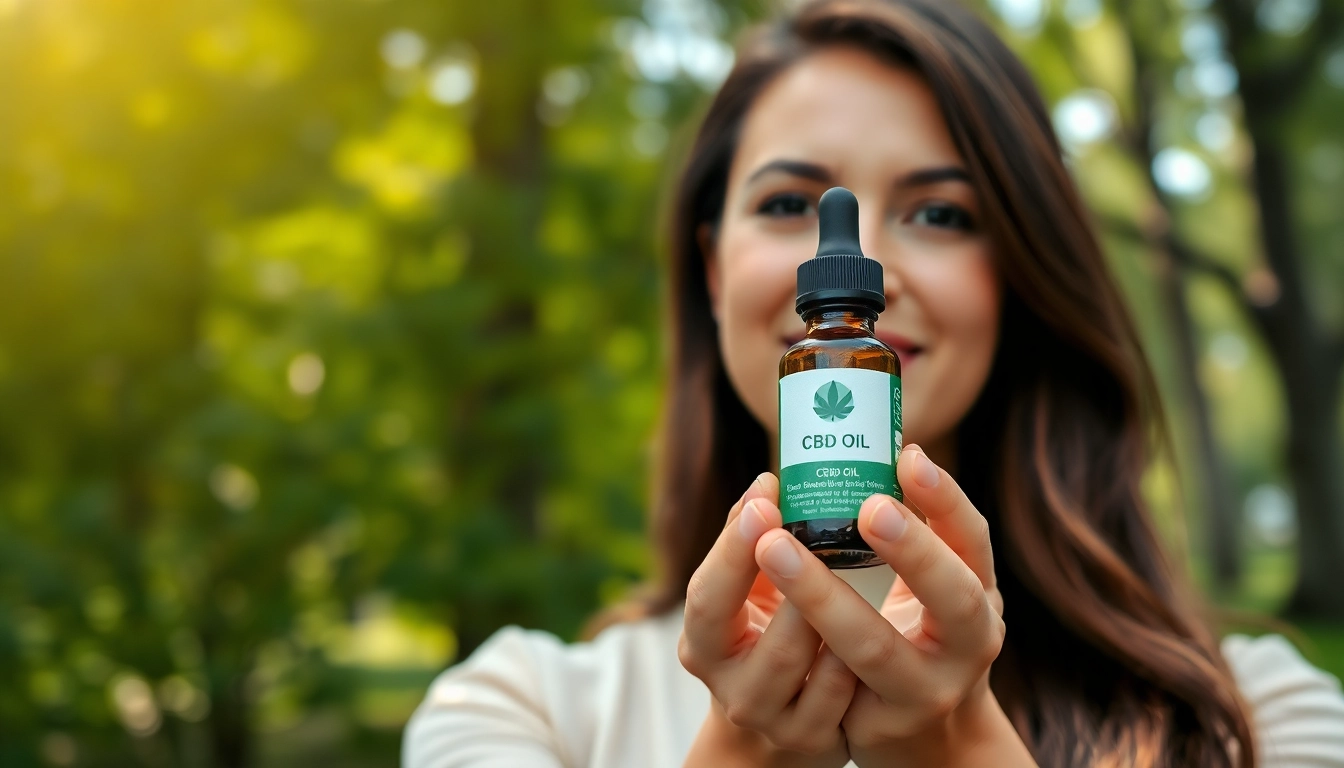
Understanding CBD and Its Origins
What is CBD?
Cannabidiol, commonly known as CBD, is one of over a hundred active compounds known as cannabinoids found in the cannabis plant. Unlike its more famous counterpart, tetrahydrocannabinol (THC), CBD is non-psychoactive, meaning it does not produce a "high." Instead, it has been celebrated for its potential therapeutic benefits, making it a popular choice among health-conscious individuals. CBD can be sourced from both hemp and marijuana plants, though it is predominantly derived from hemp, which contains higher concentrations of CBD and lower levels of THC. As a result of its non-intoxicating nature, CBD has gained traction in the wellness industry, leading to a wide range of products that harness its potential health benefits. Many people are curious about how to incorporate CBD into their lives, seeking to understand both its uses and the science behind it. For a detailed exploration of CBD, you can visit CBD.
History and Extraction Methods
The historical use of cannabis for medicinal purposes dates back thousands of years to ancient civilizations. Prescription for various ailments reflects a long-standing recognition of its therapeutic properties. Fast forward to the modern era, the extraction of CBD from hemp was made possible with advancements in agricultural practices and extraction techniques. Typically, CBD is extracted using methods such as CO2 extraction, ethanol extraction, or olive oil extraction. CO2 extraction is the most popular method today due to its ability to produce high-quality CBD without compromising the plant's integrity. Each technique has its advantages and drawbacks, but generally, the goal remains the same: to isolate CBD while preserving its profile of beneficial compounds like terpenes and flavonoids, which may enhance its effects.
Legality of Cannabis and CBD
The legal status of CBD varies widely around the world and even within states in the United States. In the U.S., the 2018 Farm Bill legalized hemp-derived CBD that contains less than 0.3% THC. Despite this, discrepancies in state laws can create confusion for consumers regarding the purchase and use of CBD products. Some states have embraced the growth and sale of CBD products, while others impose restrictions. Thus, it is essential for consumers to stay informed about local regulations and ensure they are purchasing products from reputable sources that comply with the law.
Potential Health Benefits of CBD
CBD for Anxiety and Stress Relief
Anxiety disorders affect millions of people globally, and CBD has been touted for its potential to alleviate anxiety and promote a state of calm without the psychoactive effects. Research suggests that CBD may interact with serotonin receptors in the brain, influencing mood and emotional response. Clinical studies indicate that CBD may indeed help reduce anxiety levels in individuals with social anxiety, generalized anxiety disorder, and post-traumatic stress disorder (PTSD). Although more research is needed to fully understand its effects, early findings are promising, indicating a potential natural alternative to conventional anxiety medications.
Managing Chronic Pain with CBD
Chronic pain is a significant health issue that affects a substantial portion of the population. Patients seeking alternative treatments have turned to CBD as a possible solution. Preliminary studies reveal that CBD may effectively reduce inflammation and interact with neurotransmitters, helping to alleviate various types of pain, including neuropathic pain, arthritis, and heterogeneous forms like fibromyalgia. By promoting a balanced endocannabinoid system, CBD may help those suffering from chronic pain find relief without relying on more potent pharmaceuticals.
Other Health Benefits of CBD
Beyond anxiety reduction and pain management, CBD is associated with numerous other health benefits. Early research indicates that it may possess anti-inflammatory properties, offering potential use in treating conditions like acne or psoriasis. Moreover, CBD may also impact cardiovascular health by reducing blood pressure and promoting relaxation through its effects on stress. As research continues, the breadth of CBD's potential benefits appears extensive, suggesting that it may offer pathways to enhance health across several systems in the body.
Safe Use and Side Effects of CBD
Common Side Effects of CBD
While CBD is generally well-tolerated, some users may experience side effects. Common complaints include dry mouth, dizziness, changes in appetite, diarrhea, and fatigue. It is essential for individuals considering CBD to start with a low dosage and monitor how their bodies respond. Notably, CBD may interact with certain medications, particularly those metabolized by the liver, which can affect their efficacy. Therefore, consulting with a healthcare professional before starting CBD is crucial, especially if one is taking prescription medications.
How to Use CBD Safely
When incorporating CBD into your routine, safety should be a priority. Users should read product labels thoroughly, ensuring that they are purchasing high-quality, lab-tested products free from harmful additives. It is also vital to consider the method of consumption, whether it be oils, tinctures, edibles, or topical applications, as different delivery methods can significantly affect how CBD interacts with the body. Starting with a low dose and gradually adjusting as needed is a practical strategy to identify the optimal dosage for personal needs and reactions.
Understanding Dosages for Optimal Effect
Dosing CBD can vary widely depending on several factors, including individual body chemistry, the condition being treated, and the product's concentration. While there is no one-size-fits-all dosage, many health experts suggest starting with 5 to 10 mg of CBD, then gradually increasing the dosage until the desired effect is achieved. It is recommended to consult with a healthcare professional familiar with cannabinoids to determine the best approach for your specific situation.
The Science Behind CBD Products
How CBD Interacts with the Body
CBD interacts with the body primarily through the endocannabinoid system (ECS), a complex network of receptors found throughout the body. The ECS plays a vital role in maintaining homeostasis by regulating various physiological processes, including mood, pain sensation, immune response, and more. CBD is known to interact with cannabinoid receptors, particularly CB1 and CB2, to help regulate these processes. This interaction potentially provides the plethora of benefits that users report, making it a key focus for ongoing research.
Differences Between CBD and THC
Understanding the differences between CBD and THC is crucial for consumers. While both compounds are cannabinoids derived from cannabis, THC is psychoactive and responsible for the "high" commonly associated with marijuana use. In contrast, CBD offers therapeutic effects without intoxication. This distinction makes CBD an appealing option for those seeking relief from pain, anxiety, or other health issues without the cognitive effects associated with THC. Furthermore, the varying legal status of these compounds contributes to ongoing discussions in health and wellness.
Quality and Testing Standards for CBD Products
The burgeoning CBD market has led to an influx of products, but not all are created equal. Quality control and testing standards are crucial in ensuring product safety and efficacy. Reputable manufacturers will conduct third-party lab testing to verify the cannabinoid profile, ensuring it aligns with label claims. These tests can also identify the presence of contaminants such as pesticides, heavy metals, and solvents. Consumers should look for products with detailed lab results and transparent labeling, ensuring they are obtaining a safe and effective product.
Exploring CBD Products: What to Choose
Popular Forms of CBD
The market offers a variety of CBD products catering to different preferences and needs. Common forms include oils and tinctures, which offer quick absorption; capsules for easy dosing; edibles like gummies and chocolates for a more enjoyable experience; and topicals for localized relief. Each form has its advantages, with some providing faster effects while others offer longer-lasting benefits. The choice ultimately depends on individual lifestyle, dosage preferences, and the desired experience.
Choosing the Right CBD Product for You
Selecting the right CBD product can be overwhelming due to the vast array of options available. To make an informed decision, individuals should consider factors such as their specific health needs, the desired effects, and the method of consumption that works best for them. Researching brands, reading reviews, and checking lab results are vital steps in finding a reliable product. Starting with trial sizes or lower concentrations can help users determine which type best suits their routines and body chemistry.
Future Trends in the CBD Market
The CBD industry is rapidly evolving, with innovative products continually emerging. Future trends may include enhanced formulations incorporating other cannabinoids or natural ingredients to boost performance, as consumer preferences evolve towards holistic wellness. Additionally, advancements in extraction technology may lead to even higher purity and concentration levels in products. Regulatory changes and increased research funding may also pave the way for more refined understandings of CBD's benefits and broader acceptance in mainstream health and wellness practices.